
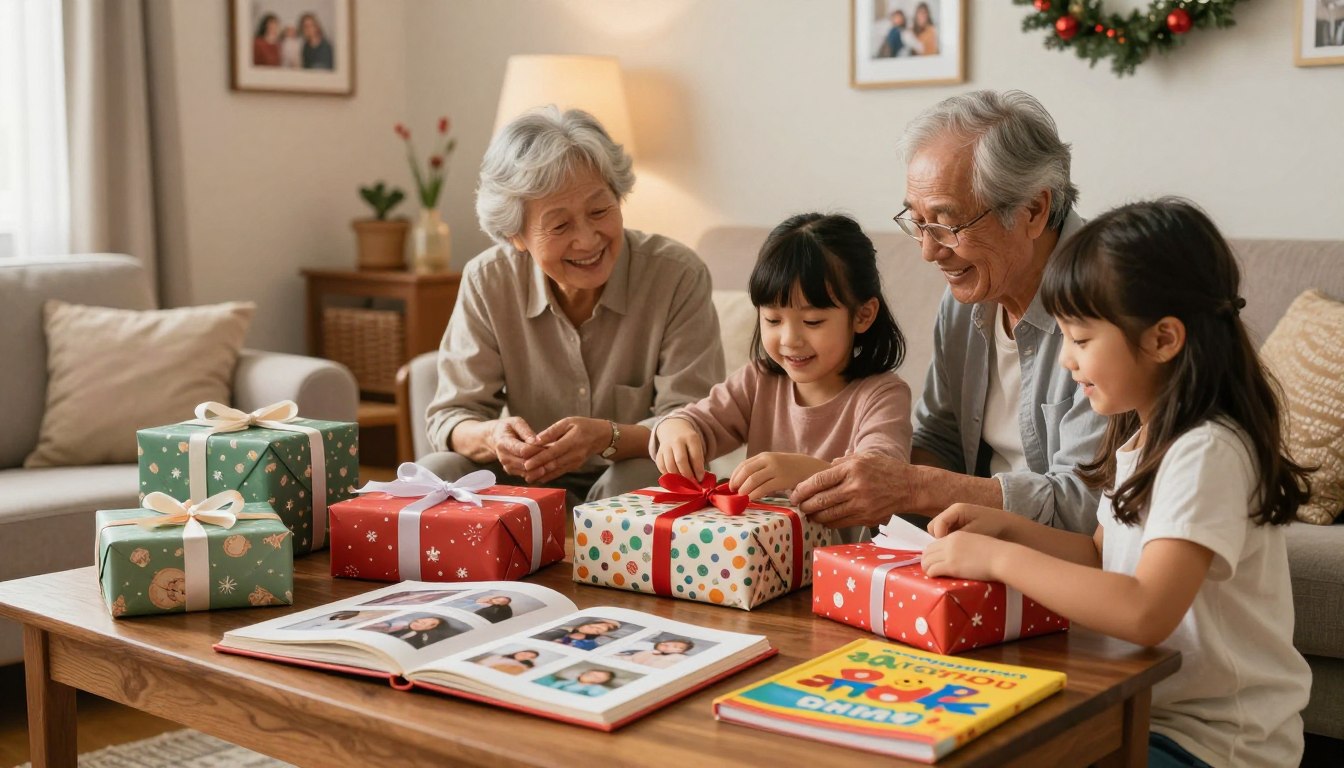
When choosing gifts for your grandkids, focus on the meaning, not the price. Start by watching, listening, and asking: how will this spark their imagination? If it doesn’t, pick something else. This approach makes gifts meaningful, honoring their interests and creating lasting memories.
Consider a neighbor in snowy Utah who gave each child a warm coat. The coats weren’t fancy, but they solved a real need. This act shows you care, strengthens your bond, and creates memories that last longer than any toy.
Meaningful gifts also help your grandkids grow. Look for items that encourage creativity, exploration, or shared experiences. These choices promote deep play, helping your grandkids develop while giving you moments to bond and create memories together.
Key Takeaways
- Choose intention over price when selecting gifts.
- Ask whether the gift will spark imagination before buying.
- Practical, needed items can create deep emotional connections.
- Pick gifts that support development and reduce overstimulation.
- Experience and long-lasting items both build memories and strengthen the grandparents and grandchildren relationship.
Why meaningful gifts outperform costly toys for child development
When choosing gifts, think about what the child is doing today. Look for activities like stacking, pretending, sorting, or solving small problems. Gifts that match these skills help the child grow steadily. This method is better than just looking at price or age.
Start with developmental needs, not price tags
Find out what the child is practicing. If they’re building towers, get blocks that challenge balance and fine motor skills. For pretend play, choose figures or simple props that spark storytelling. This makes gifts useful for both play and learning.
Open-ended play supports learning through play
Open-ended items like wooden blocks, animal figures, magnets, and loose parts encourage creativity. These tools let the child lead, boosting problem-solving and imagination. You’ll see them focus longer and play deeper with toys that can be used in many ways.
Active and sensory play beats overstimulation
Choose gifts that promote movement, balance, and texture exploration. Items that help with grasping, threading, or climbing support coordination and brain growth. Sensory play helps kids regulate emotions and focus without the distraction of flashing lights or preset sounds.
For grandparents and caregivers, picking simple materials creates engaging activities for grandkids. It supports learning through play and strengthens your bond. Screen-free activities help you raise confident children through play.
Giving meaningful experiences that build memories and bonding
Turn a simple day into a lasting memory by choosing experiences that match your family’s rhythms and values. A community survey found 79% of families prefer experience-based gifts because they build connection and create memories. Pick activities that let you focus on bonding with grandkids and make each moment feel special.
Why experiences create stronger emotional connections
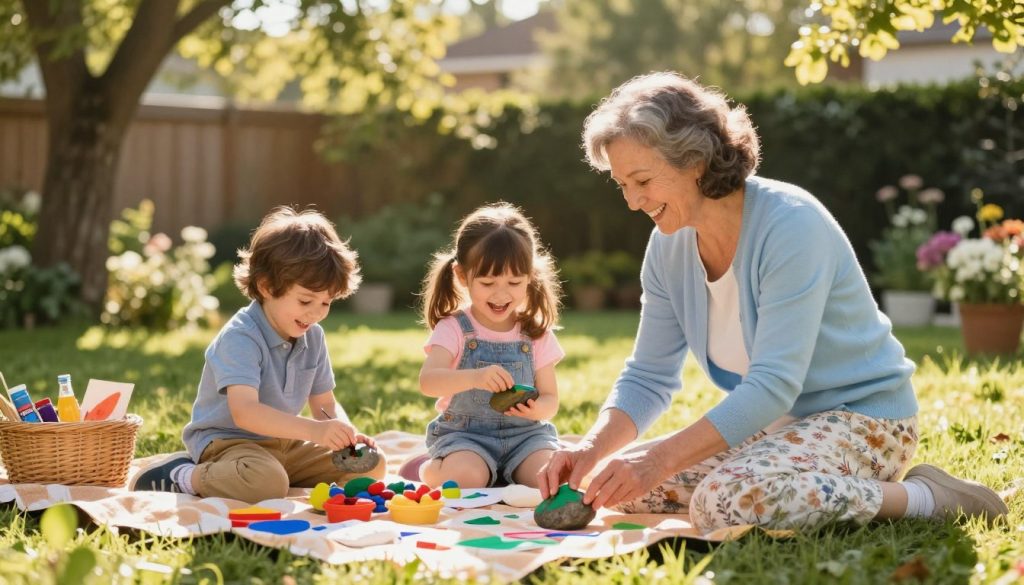
Sharing an activity means sharing attention. This attention forms an emotional thread between you and the child. Experiences with grandkids—like a zoo visit or a backyard planting day—become stories you retell. These stories shape memories with grandkids far more than another boxed toy.
How to pair small tangible items with experiences
Bring a small item that ties to the outing. A stuffed animal before a zoo trip makes the visit feel like an adventure for a preschooler. A lined notebook plus a handwritten note invites older kids to start journaling after a museum day. These little tokens help children revisit the experience long after it ends.
Practical, budget-friendly experience ideas
- Zoo or aquarium daypasses and a small plush companion.
- Museum or discovery center visits paired with a simple sketchbook.
- Nature exploration with binoculars, magnifying glass, and a field journal.
- Cooking date using child-sized kitchen tools and a favorite family recipe.
- Kite and park trip for an afternoon of fresh air and play.
- Beginner instrument plus a short local class to spark musical curiosity.
- Gardening starter kit and a planting day that teaches patience and care.
- Sleepover-in-a-box: matching pajamas, a read-aloud, and cozy snacks for an at-home campout.
These options make it easy to plan quality time with grandchildren without stretching your budget. Small investments in experience plus a thoughtful token reinforce learning, joy, and the sense of being seen. Use spending time with grandkids ideas like these to build routines that strengthen emotional bonds and create more shared stories.
How to choose long-lasting meaningful items for kids
Choose gifts that grow with a child. Look for quality, minimalism, and multifunction. This reduces clutter and increases play value. A few well-made items are often more cherished than many cheap toys.
Look for quality, minimalism, and multifunction
Opt for hardwood blocks, magnetic tiles, or washable art supplies. These items last long and encourage creative play. A simple wooden toolbox or animal figures teach problem-solving and fit a minimalist style.
Think about items that serve more than one purpose. A growth chart is both a room decoration and a way to track milestones. Magnetic letters help with reading and can lead to years of spelling games.
Ask parents and align with family values
Before buying, talk to the child’s parents. Ask about their preferences, space, and routines. They often want durable, useful items that support learning and family traditions.
Group gifts can make it easier to buy larger items. Consider a Nugget play couch or a Sprout tower. This way, the child gets something valuable without one person paying for it all.
Choose gifts that encourage connection and independence
Choose items that encourage shared use. This helps with language and emotional skills. Cooking tools, puzzles, and books that spark conversation are great for quality time.
Balance shared items with tools that promote independence. A child-sized gardening set, a beginner sewing kit, or a compass and map teach responsibility. They start teaching life skills to grandkids.
Finally, choose gifts that support creative activities and easy repeat play. When a gift helps spend quality time with grandchildren and aligns with family values, it becomes a lasting tradition.
Practical strategies to request and give meaningful gifts
Begin by explaining your values and play goals. For instance, you might say, “We prefer toys that encourage creativity because they help focus and support lasting learning.” This helps others choose gifts that fit your home and support family traditions.
Keep your messages brief and kind. Use one clear sentence about what you want, followed by a list of examples. Many relatives appreciate guidance. A curated wishlist or a few product names can make giving easier.
Offer simple ways for others to participate. Suggest group gifting for big items and outline cost sharing in advance. Share a link or a photo of the exact item, then thank them with a short video of the child using it. This builds trust and strengthens the bond between grandparents and grandchildren over time.
Create a “special toy” category for items that don’t fit daily rules. Save these for grandparent visits, road trips, or holiday mornings. This keeps your home routines steady while honoring the giver’s intent and maintaining intergenerational bonding activities.
Use gentle scripts for tricky conversations. For example, say: “We love your thoughtfulness. Right now we’re limiting plastic toys. Could we suggest a few alternatives that match our values?” Share one reason and one example to keep the tone warm and clear.
Give inspiration with themes. Suggest gifts that promote storytelling, simple craft kits, or outdoor exploration sets. Offer ideas like a shared puzzle, a cookbook for baking together, or a nature scavenger hunt kit to spark shared memories.
Assign roles when gifts and values clash. Ask grandparents or aunts to bring hands-on experiences like a craft afternoon or a museum membership. This shifts focus from objects to moments and reinforces family traditions across generations.
Encourage fewer, richer gifts. Fewer items let a child explore each one deeply and support attention and learning. When relatives see a child playing thoughtfully, they feel rewarded and more likely to repeat intergenerational bonding activities in the future.
How grandparents can strengthen relationships through thoughtful gifting with grandkids
Grandparents often want to give generously. Use that generosity to give gifts that build trust and create lasting memories. Small rituals and thoughtful choices help bond with grandkids and create a warm connection.
Bonding activities and screen-free experiences
Plan simple, repeatable outings that become traditions. A visit to the local museum, a park kite day, or a short nature walk with binoculars and a field journal turns time together into stories kids treasure.
Bring along tools sized for children, like a child-sized step stool for baking or a small trowel for gardening. These items support screen-free activities for grandkids and make tasks feel shared and special.
Teaching life skills and building legacy
Choose gifts that teach practical skills. A basic toolbox, a set of durable kitchen utensils, or a sewing kit offers opportunities to show, guide, and praise. Teaching life skills to grandkids boosts their confidence and independence.
Use group gifts, such as a Sprout tower or a shared craft kit, to invite whole-family participation. These tools become part of legacy building with grandchildren when you pair instruction with stories about family habits and values.
Calm and creative activities that enhance patience and confidence
Offer art supplies, washable paints, puzzles, or a simple journal with a starter letter. Calm activities for grandkids help them slow down, focus, and explore ideas without pressure.
Turn creative time into a ritual. A weekly art hour or a bedtime reading routine encourages creativity for grandkids while reinforcing your bond. If a gift misses the mark, designate certain toys for grandparent visits so those items become symbols of your relationship.
Conclusion
You can make a bigger impact with intention than with a big price tag. Meaningful gifts, like a shared outing or a well-chosen toy, honor your grandkids’ interests. They support their development and help create lasting memories.
Communicate your why and offer inspiration to others. Set simple systems like special-toy categories or pooled group gifts. These steps help give gifts that match family values and build quality time with grandchildren.
Prioritize open-ended, active, and developmentally appropriate choices. Pair experiences with small tangible items to extend learning and joy. When you observe your grandchild and choose with intention, you foster intergenerational bonding activities. You create traditions with grandchildren and strengthen connections that grow with them.
FAQ
Why do meaningful gifts matter more than expensive ones for kids?
Why do meaningful gifts outperform costly toys for child development?
How do I start choosing gifts with a child’s development in mind rather than price tags?
What kinds of open-ended play items are most beneficial?
Why is active and sensory play better than overstimulating toys?
Why do experience gifts create stronger emotional connections?
How can I pair a small tangible item with an experience effectively?
What are practical, budget‑friendly experience ideas I can give?
How do I choose long-lasting meaningful items for kids?
Should I ask parents before buying a gift and how do I align with family values?
Which gifts encourage both connection and independence?
How should I communicate my gifting preferences kindly and effectively?
How can I offer inspiration and make it simple for others to participate?
What should I do with gifts that don’t fit the family’s approach?
How can grandparents strengthen relationships through thoughtful gifting and activities?
What screen‑free bonding activities work best for grandparents and grandkids?
How can gifts teach life skills and build a legacy with grandchildren?
Which calm and creative activities help build patience and confidence?
This post contains affiliate links. If you click on a link and make a purchase, I may earn a small commission — at no extra cost to you. Thank you for supporting this blog and helping me keep the patterns free! Read the full Affiliate Disclosure & Transparency.