
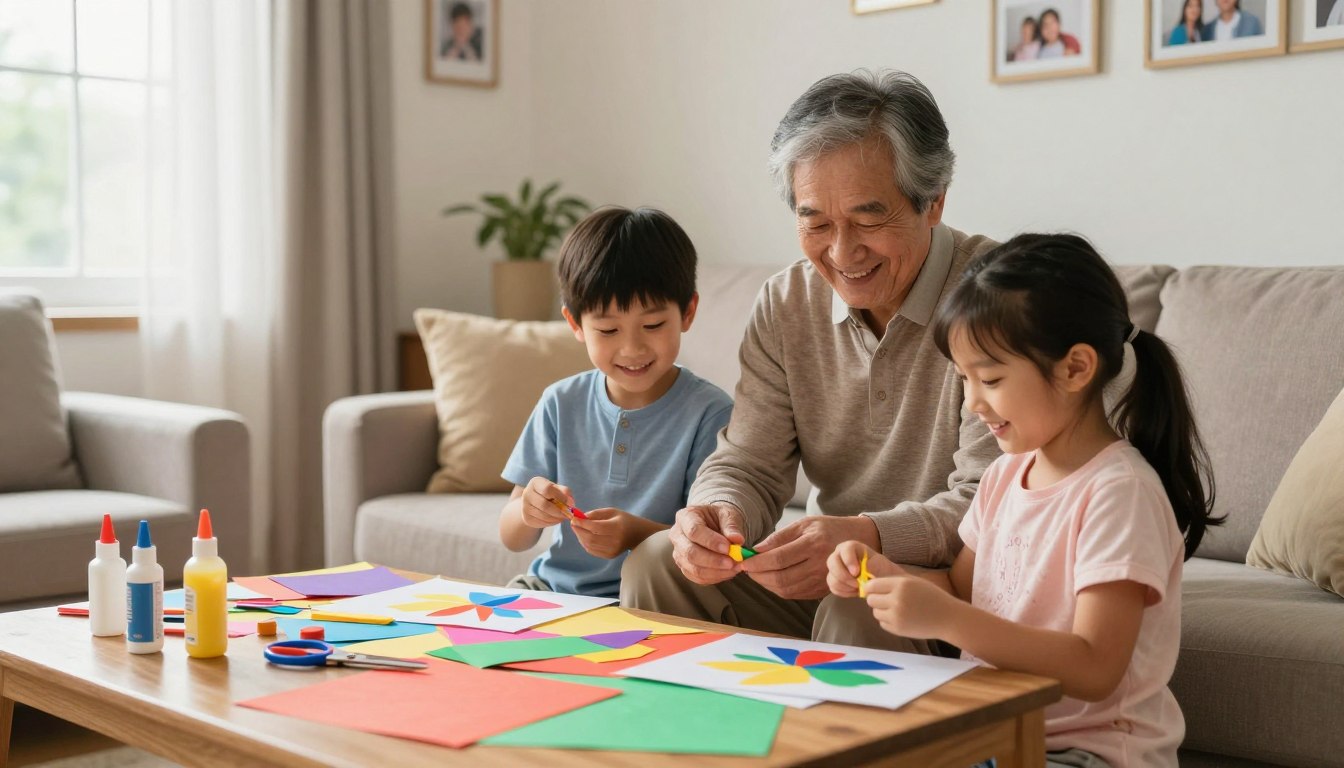
Time and attention are key when giving to family. Handmade gifts show your grandkids you put thought into it. This act strengthens your bond more than any store-bought toy can.
Choosing handcrafted items means you’re giving quality that lasts. A wooden keepsake or a hand-stitched blanket shows real effort. It becomes a special part of your family’s history.
Personal touches make a gift truly special. Adding a name or birth date makes it unique to your grandchild. It helps build a lasting legacy.
Buying or making handmade gifts also supports local artists. It’s a way to teach your grandkids about mindful consumption. Most importantly, these gifts spark stories and create lasting memories.
Key Takeaways
- Handmade gifts deepen the emotional connection with grandchildren by signaling time and intention.
- Crafted items often offer better materials and longevity than mass-produced toys.
- Customization ties gifts to identity and helps with legacy building with grandchildren.
- Buying handmade supports artisans and models mindful consumption for your grandkids.
- Handmade presents open doors to storytelling and memories with grandkids that strengthen your bond.
Emotional connection with grandchildren through handmade gifts
Handmade gifts create a special bond with your grandkids. They carry your time and story. Unlike fast, cheap items, they focus on quality over quantity.
By choosing fewer, well-made gifts, your grandkids learn to value what’s truly important. They see that the effort you put into something is worth more than its price.
Why emotion beats material value
Children notice the thought behind a gift more than its cost. A handmade toy or blanket shows you care in a way that fancy packaging can’t. Play therapists suggest slowing down gift-giving to help kids appreciate each item.
This approach teaches them to be more attentive, patient, and thankful. It’s a great way to raise confident kids through play.
Stories and the person behind the gift
Sharing stories makes a gift even more special. Tell your grandkids how you made it, who inspired you, or why you picked certain colors. These stories create lasting memories that go beyond the first playtime.
Long-term sentimental keepsakes versus disposable toys
Disposable toys often get lost or forgotten. But handmade keepsakes like personalized blankets or custom maps become treasured family items. They invite repeated play and become part of your family’s history.
Even small flaws make these gifts unique and more meaningful. They are kept and cherished, not thrown away.
grandkids activities inspired by handmade gifts
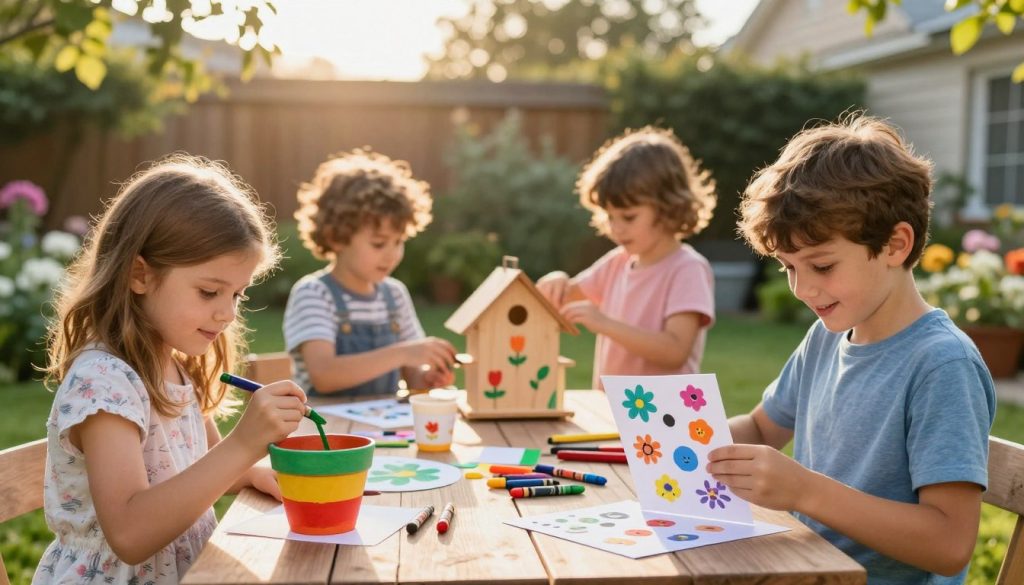
Make a handmade gift special by turning it into a tradition. A thoughtful gift can start a fun routine of play, learning, and calm moments. These moments are something you both look forward to.
Turning a gift into a shared activity
Choose gifts that encourage you to play together. A mini baking set or a denim apron you make together can lead to baking muffins and sharing recipes. A hand-stitched puppet or a felt board can spark storytelling, helping you both grow in confidence.
Set aside a time each week to use the gift. This makes the activity a regular part of your routine. It also creates special memories with your grandchildren.
Screen-free and calm activities for grandkids
Opt for gifts that promote focused play. Wooden puzzles, hand-drawn books, knitted dolls, and sensory kits are great. They help improve attention and reduce stress.
Quiet crafts like watercolor cards or simple knitting are also good. They encourage calm and allow for bonding while you both work on something together.
Learning through play and teaching life skills
Choose gifts that teach practical skills. A gardening kit, hand-carved blocks, or a beginner sewing kit are perfect. They introduce new tools and techniques.
Use these gifts to teach by example. Let your grandchildren try things out. This makes learning fun and helps them develop important skills like patience and planning.
| Gift | Shared Activity | Skill or Benefit |
|---|---|---|
| Mini baking set | Morning baking session | Measuring, following instructions, kitchen safety |
| Hand-stitched puppet | Storytelling and role play | Language development, imagination, emotional expression |
| Wooden puzzle | Quiet puzzle time | Problem solving, focus, fine motor skills |
| Gardening starter kit | Planting and watering routine | Responsibility, biology basics, patience |
| Beginner sewing kit | Simple projects like a pillow or patch | Hand-eye coordination, planning, creativity |
How personalization and uniqueness increase meaning
You can make a gift feel like it belongs to one child alone. Personalization for grandkids turns an object into a marker of identity and belonging. Small touches tell a grandchild that someone chose this piece with their name, story, or milestone in mind.
Customization creates identity and belonging
Engraved names, birth stats on wooden plaques, or a child’s drawing printed on a blanket signal that the gift was made for them. These details help a grandchild see themselves in the item and in the family’s story. Personalized gifts for grandchildren become heirlooms that carry memory and value beyond price.
One-of-a-kind imperfections as value
Hand-stitched seams, slight color shifts, and tool marks show the maker’s hand. Those imperfections prove authenticity and make the piece unique. When a child recognizes an irregular stitch or brushstroke, they learn that uniqueness can be beautiful.
Examples of meaningful personalized gifts for grandchildren
Consider a wooden wall art panel with a first photo and birth stats engraved, a monogrammed swaddle and matching cap, a hand-painted storybook with the grandchild as the protagonist, or an engraved keyring for older kids. Artisans on Etsy and local craft markets accept custom requests for size, color, and quote.
You can add a handwritten note that explains who made the item and why. That short story embeds family memory into the present and encourages creative activities for grandkids like reading, drawing, or role play that reference the gift.
Use these personalized gifts to spark rituals that pass family traditions across generations. The combined effect of identity and belonging, unique imperfections, and thoughtful customization strengthens your bond and gives the gift lasting meaning.
Bonding with grandkids: using gifts to create quality time with grandchildren
Give gifts that invite shared time. A baking set can start a weekly cookie morning. A gardening kit can lead to planting tomatoes together. These gifts encourage bonding and repeat visits.
Choose gifts that need a partner. Craft kits, puzzles, or storybooks read aloud start rituals. These rituals build quality time with grandchildren over time.
Gifts that double as time together
Choose items that need your presence. Recipe jars, a homemade puppet theater, or museum tickets create shared moments. These gifts foster bonding and memories.
Building family traditions across generations
Make the first use of a gift a ritual. Paint ornaments, keep a recipe jar, or plant a tree on birthdays. These traditions weave through family life over time.
Practical tips for turning a present into a ritual
- Set a date for the first activity to set expectations and ensure quality time.
- Include a note explaining the idea and the first step to start the tradition.
- Introduce new items one at a time to keep each moment special.
- Consider experience gifts or college fund contributions for unique experiences.
- Keep consistency with weekly or monthly rituals for dependable bonding.
| Gift Type | First Shared Activity | Ongoing Ritual | Best for |
|---|---|---|---|
| Baking kit | Make a simple cookie recipe together | Monthly cookie morning | Hands-on learning and memories |
| Gardening starter kit | Plant herbs or tomatoes | Seasonal harvest day | Outdoor time and responsibility |
| Handmade storybook | Read the book at bedtime | Nightly or weekly story ritual | Language and closeness |
| Puppet theater | Put on a short show | Monthly story night | Creativity and verbal skills |
| Experience tickets | Attend the show or museum together | Annual outing tradition | Shared adventures and bonding with grandkids |
Eco-friendly and values-based reasons to choose handmade
Handmade items are made with care, not mass-produced. They come with less packaging, less plastic, and fewer parts that waste. Wooden toys, organic dolls, and blankets made from recycled materials last longer and mean more.
Look for sellers who use minimal, recyclable packaging. They produce in small batches, reducing waste and pollution. Choosing well-made items means less buying and throwing away cheap stuff.
Buying handmade supports local makers and keeps money in the community. It helps artisans keep their studios running and families earning a living wage.
Shopping at small businesses boosts local markets instead of big corporations. This strengthens community bonds and keeps traditional skills alive.
Use gifts to talk with your grandkids about how things are made. Teach them the value of fewer, better items over lots of plastic toys.
Consider thrifted toys or upcycled projects as alternatives. These teach reuse and appreciation, and offer fun activities to do together.
If others are unsure what to give, suggest small businesses that make similar items. This helps them give thoughtfully and reduces plastic waste.
Practical handmade gift ideas that strengthen grandparents and grandchildren relationship
Handmade gifts create memories you can hold in your hands. Here are some easy projects and heirloom ideas. They turn gifts into special moments you share together. Each idea tells you what you need and how it strengthens your bond.
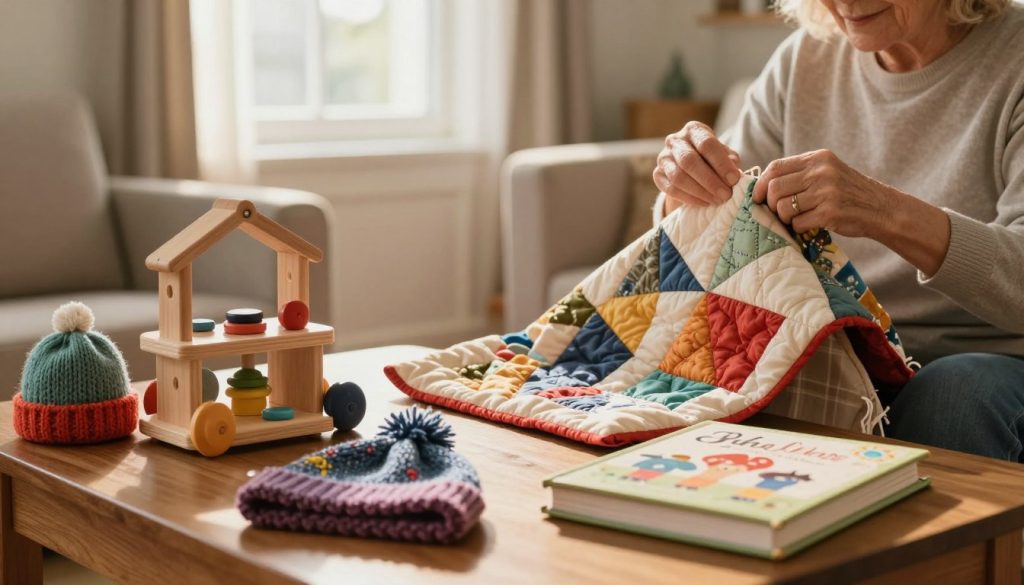
Low-effort, high-meaning DIYs
Choose projects that are quick but full of love. A jar of activity coupons is a great idea. It offers chances to spend quality time together.
Hand-written story cards are another great option. They spark conversations during car rides and visits. Simple photo collages in frames or albums are also wonderful.
Homemade playdough in glass jars is fun and reusable. If you can knit, try a simple scarf with chunky yarn. It’s fast and shows you care.
These DIYs create special moments and rituals. They also inspire more creative activities for grandkids. You can add drawing prompts, scavenger hunts, or recipe swaps.
Higher-skill handcrafted keepsakes
For heirlooms, pick items that last and tell stories. Embroidered quilts with names and dates are beautiful. A custom-engraved wooden map marks important places in your family’s history.
Hand-carved toys and engraved lockets are personal and valuable. Shadow boxes with first curls or footprints preserve memories. These keepsakes are treasures for future generations.
Where to buy or commission meaningful handmade gifts
Look for makers on Etsy, at local fairs, or through independent artisans. Local yarn shops and quilting guilds can help find artisans for custom pieces. When you commission, share details like sizes, dates, and favorite colors.
Remember, handcrafted items take longer than store-bought ones. Ask the maker for a card with their name and story. This card helps grandkids appreciate the gift’s creator.
- Practical gift ideas for grandkids: activity jars, collages, scarves.
- Low-effort DIYs for grandkids: coupon jars, story cards, playdough jars.
- Handcrafted keepsakes: quilts, engraved maps, lockets, shadow boxes.
- Where to buy handmade gifts: Etsy, craft fairs, local artisans, independent jewelers.
- Creative activities for grandkids: baking mornings, sewing sessions, map-making walks.
How to make the gift-giving moment memorable and teach gratitude
You can create a small, calm ceremony to help grandkids value gifts and the givers. A gentle pace and clear presentation make the moment special. Keep explanations simple so kids can follow and feel included.
Pacing and intentional presentation
Open fewer gifts at a time to avoid overwhelm. This lets each item get its moment. Share the story behind the gift before it’s unwrapped.
Plan a quick activity linked to the present right away. If it’s a craft kit, start it together. This makes the gift special and builds appreciation.
Turning unwrapping into storytelling and gratitude practice
Use storytelling as gifts are unwrapped. Share a memory or the maker’s intention. Ask the child to name the giver or draw a thank-you card that evening.
Invite the child to pause and say one thing they like about the gift. Small rituals like a spoken thank-you or a quick voice memo build habit. These steps teach gratitude without feeling like a lesson.
Balancing thoughtful gifts with family expectations
Talk with relatives about the types of gifts you prefer for your grandchildren. Suggest experience-based presents, handmade items, thrifted finds, or contributions to a savings account. This lowers clutter and raises meaning.
If some relatives resist, offer compromises that keep relationships strong. Propose small handcrafted items, museum or concert tickets, or a charity donation in the child’s name. These choices let family members give with comfort while supporting your goal for more intentional giving.
| Moment | Practical tip | Benefit for gratitude |
|---|---|---|
| Before unwrapping | Introduce the maker or memory in one sentence | Creates personal connection and curiosity |
| During unwrapping | Open one gift at a time; let the child describe it | Builds focus and meaning for pacing gifts for kids |
| Right after | Do a five-minute activity tied to the present | Turns object into shared experience |
| Evening habit | Draw or record a thank-you and send to the giver | Reinforces teaching gratitude to grandkids |
| Family planning | Share gift preferences in advance with relatives | Helps with balancing family gift expectations |
Conclusion
Handmade gifts can help you bond with your grandkids. Choose items that spark shared moments and stories. This way, you create quality time and memories that last.
These gifts also help build a family legacy. Whether you buy from Etsy, get something local, or make it yourself, choose items that show your family’s story. Adding a personal touch, like a note, makes it even more special.
It’s important to meet modern expectations while staying true to your values. A thoughtful presentation can teach your grandkids about gratitude. Remember, it’s the experiences and relationships that truly matter in bonding and creating lasting traditions.
FAQ
Why do handmade gifts create a deeper emotional connection with grandkids than store-bought toys?
How do handcrafted items compare in quality and longevity to mass-produced toys?
Can handmade gifts be customized to reflect a child’s identity and family story?
How can a handmade gift spark shared activities and bonding time?
What kinds of handmade gifts encourage screen-free, calm play?
How do handmade gifts teach life skills and build confidence?
Why do small imperfections in handmade items increase sentimental value?
What are simple DIY handmade gift ideas that are meaningful but low-effort?
What are higher-skill handcrafted keepsakes that become heirlooms?
Where can I buy or commission meaningful handmade gifts?
How should I present a handmade gift to make the moment memorable?
How can I use the gift to teach gratitude and create a bonding ritual?
How do handmade gifts support eco-friendly and values-based giving?
What should I tell relatives who want to give gifts but prefer traditional toys?
How do I commission a custom handmade gift without mistakes or delays?
Can handmade gifts help start family traditions that span generations?
What if my grandchild’s parents prefer fewer gifts or screen-based play?
How can I make a handmade gift part of a learning-through-play strategy?
Should I include information about the maker with the gift, and why?
How do I balance giving meaningful handmade gifts with modern expectations for toys and presents?
This post contains affiliate links. If you click on a link and make a purchase, I may earn a small commission — at no extra cost to you. Thank you for supporting this blog and helping me keep the patterns free! Read the full Affiliate Disclosure & Transparency.