
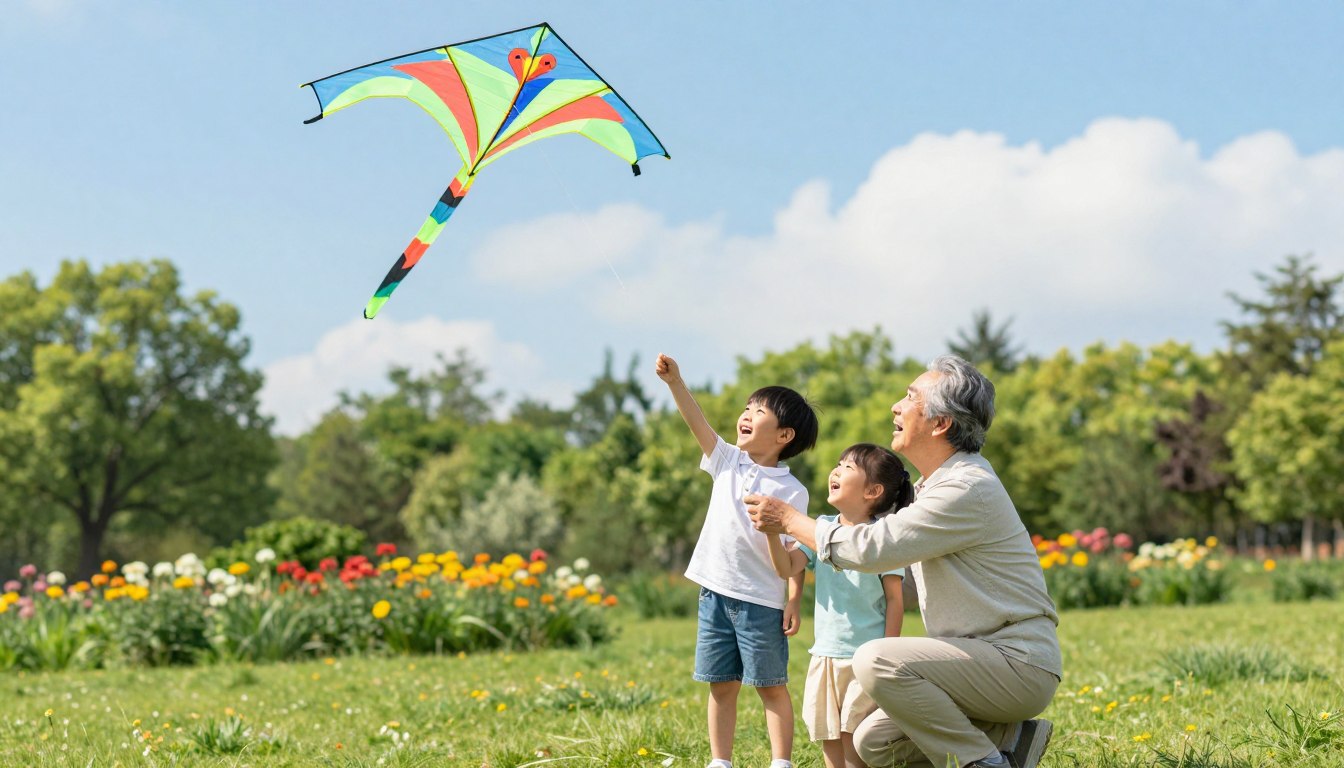
Your grandkids might remember the cookie recipe or the name of the park. But they might not recall the brand of the toy they got last year. Childhood holiday memories often focus on shared experiences, like singing carols or baking with grandparents. These moments are more memorable than material gifts.
In 2018, Americans planned to spend nearly $885 on holiday gifts. The average household spent about $330 per child. Yet, many adults can’t recall most presents they received. This shows that over-gifting happens because toys are seen as a sign of caring. But, when you choose quality time with your grandkids over gifts, those moments become treasured memories.
Grandparents leave lasting impressions through storytelling, food, rituals, and attention. Sharing a recipe or telling an ancestor’s story creates sensory anchors. These help memories stick. This kind of legacy building with grandchildren makes them feel seen, secure, and connected across generations.
Many parents welcome this shift. They ask grandparents to focus on being present rather than buying presents. By choosing experiences, you strengthen the bond between grandparents and grandchildren. You create memories that last a lifetime.
Key Takeaways
- Shared moments—baking, storytelling, outings—outlast toys in children’s memories.
- High spending on gifts often doesn’t translate into lasting recall.
- Simple rituals and food act as sensory anchors for memory.
- Prioritizing quality time with grandchildren strengthens emotional bonds.
- Parents often prefer experiences over more toys; communication matters.
Why experiences beat toys for lifelong memories
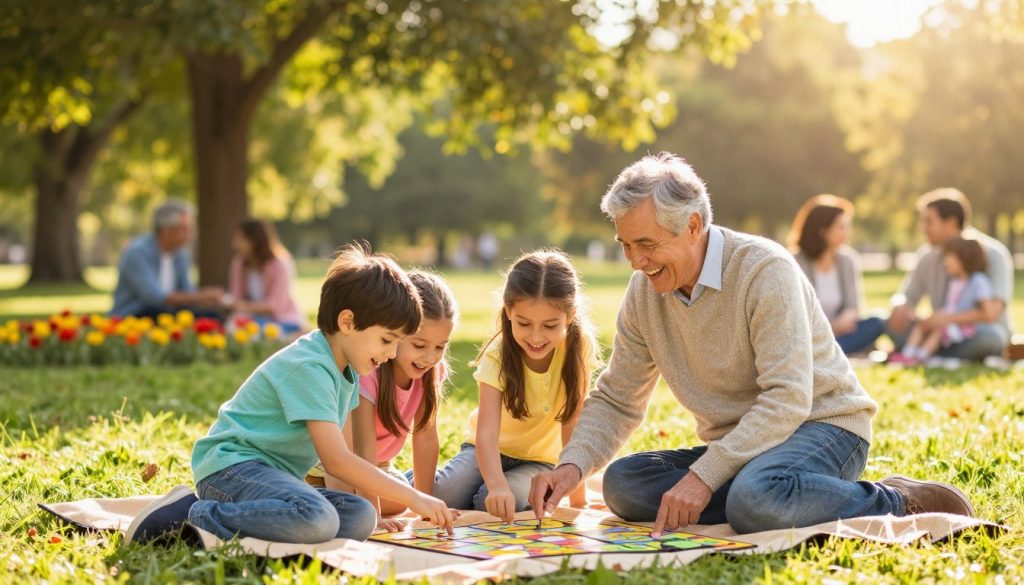
Remembering a fishing morning with Grandma is clearer than a toy. Studies show shared events make better memories. Experiences, not toys, create lasting memories.
Research on experiential vs. material purchases
Thomas Gilovich from Cornell found joy in planning outings more than buying things. These moments stay in your memory longer than toys. For grandparents, choosing experiences like vacations or theater tickets makes memories last.
How abundance of toys reduces play quality
A University of Toledo study showed less play quality with more toys. Too many choices can make play less creative. Limiting toys and focusing on meaningful activities helps children learn and grow.
Why emotional satisfaction strengthens recall
Memories stick when they’re emotional, new, or shared. Sharing stories or teaching moments creates a bond. This way, learning through play with grandchildren leaves lasting lessons.
Parents value spending time with you more than gifts. Use this to plan activities that create lasting memories without cluttering the home.
| Aspect | Experiential Purchases | Material Gifts |
|---|---|---|
| Emotional impact | High — shared events and novelty create strong feelings | Moderate — excitement fades as novelty wears off |
| Memory retention | Long-term — social context strengthens recall | Shorter-term — objects often blend into clutter |
| Developmental benefit | Supports learning through play with grandchildren and life skills | Depends on toy quality; too many items can hinder focus |
| Family harmony | Positive — aligns with parents who value quality time with grandchildren | Mixed — may conflict with household space and rules |
| Practical examples | Zoo trips, cooking lessons, museum memberships | Action figures, electronic gadgets, single-use toys |
How grandparents create lasting memories for grandkids
Grandparents make memories through simple moments. A child’s joy at hearing the same story or the smell of baking shows the power of these moments. These small things leave a big impact on your family for years.
Storytelling and the power of narrative
Telling stories about your childhood or work at IBM connects your history to theirs. Sharing these stories teaches grandkids about resilience and values without lecturing. It helps them understand their family’s history and values.
Food, rituals, and sensory anchors
Food brings memories to life. The smell of fresh bread or a favorite cookie can take you back in time. Baking with your grandkids creates special memories that mix taste and touch with warmth.
Rituals like holiday recipes or a special sandwich on Saturdays give kids predictable experiences. These sensory anchors help them remember moments years later.
Feeling seen: attention, patience, and emotional connection
Grandparents who take their time make kids feel special. Clapping at a recital or praising a drawing shows you care. This patience turns everyday moments into cherished memories.
When you focus on your grandkids, you create a deep emotional bond. Feeling seen and supported makes memories last longer.
Quirks, rituals, and predictable traditions
Unique habits like whistling while stirring or wearing a favorite cap become memorable. These quirks help you recall special moments years later.
Regular rituals, like a Friday movie night or an annual walk, become traditions. They bring comfort and a sense of belonging to kids across different seasons and generations.
Practical ways you can build memorable experiences with grandchildren
You can make ordinary afternoons special with small, repeatable plans. Focus on being present, using simple tools, and starting projects that spark conversation. These moments are key to creating lasting memories and stories for their future.
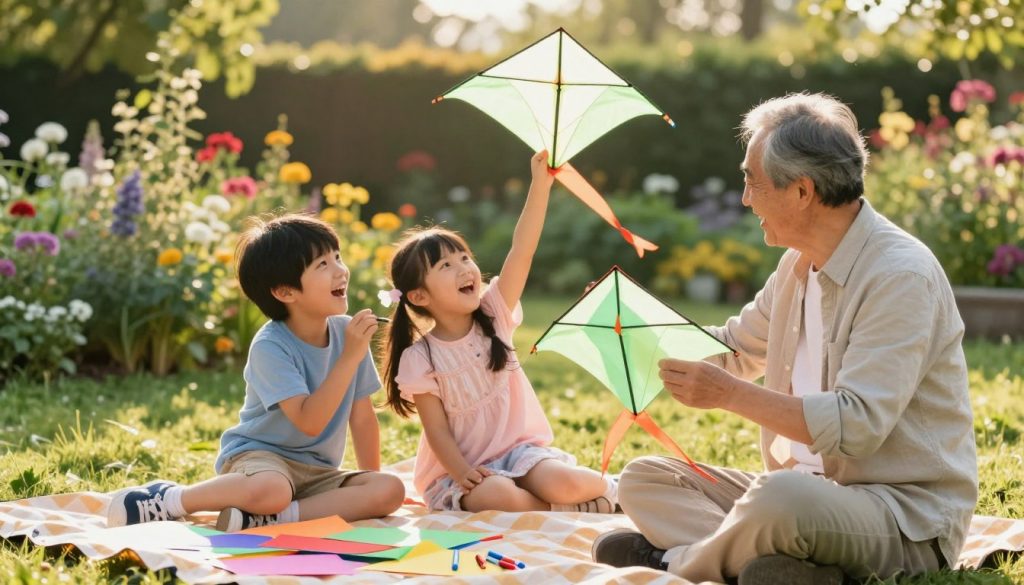
Choose screen free activities for grandkids
Choose activities that don’t need screens, like baking cookies, going for a nature walk, or playing board games. These activities improve sensory play and encourage deeper conversations. Grandparents who focus on quality time over screens build stronger bonds and create clearer memories.
Design creative activities for grandkids that teach life skills
Make projects teachable moments. Plant tomatoes to learn about seasons, go fishing to practice patience, or teach basic cooking. These activities teach life skills and boost confidence.
See tasks as shared achievements. Small woodworking or sewing projects teach resilience. The process of learning together makes the skill and the bond unforgettable.
Build family traditions across generations
Create simple, repeating rituals like a holiday recipe, an annual ice cream walk, or a bedtime story. Family traditions don’t have to be big; consistency is key. Predictable rituals give children a sense of security and something to look forward to.
Foster gratitude and generosity
Start a gratitude practice, like a one-line journal or a round of “one thing I’m thankful for” after dinner. Small gratitude habits can make us more generous. You can model giving by donating time or treats to neighbors. These acts teach valuable lessons and add depth to your time together.
How to balance gift-giving with experience-building
Holidays and birthdays can be about people, not just presents. Start by talking to parents to know what they like and what the child needs. This way, you can avoid waste and make homes happier. You’ll also create lasting memories and deeper connections.
Communicate with parents and respect boundaries
Always ask parents before buying big gifts. A quick talk helps you understand their space limits, favorite things, and safety concerns. This way, you avoid giving duplicates and make their lives easier.
Parents often prefer spending time with you over buying gifts. Offer to join their family calendar or share ideas for fun activities. This shows you respect their rules and want to be part of their routines.
Gift experiences and meaningful keepsakes
Focus on creating memories instead of buying lots of gifts. Give experiences like zoo visits, theater tickets, or a cooking day at home. These moments spark conversations and create lasting stories.
Add a small keepsake to make the memory even more special. A handwritten recipe, a simple scrapbook, or a charm from a special outing can be a meaningful keepsake. These items connect to the event without adding clutter.
Plan affordable, memorable outings
Creating memories doesn’t have to cost a lot. You can plan fun outings with grandkids that are affordable. Try park picnics, library story hours, museum free days, or neighborhood walks.
Choose activities that engage the senses and encourage talking. Start small traditions like an annual ice cream stop after sledding. Doing things over and over strengthens memories and builds a strong bond with your grandkids.
- Choose low-cost tickets or free community events.
- Pack simple snacks and a small keepsake to mark the day.
- Invite parents to join so outings match family rhythms.
Conclusion
Studies from Cornell, the University of Toledo, and the University of Illinois at Chicago show a clear truth. Experiences and emotional connections make stronger memories with grandkids than toys. Activities like storytelling, cooking, or outdoor play help make these moments last a lifetime.
Too many toys can make it hard to focus and play well. But, activities that use senses and don’t involve screens help keep memories sharp. Spend quality time with your grandkids by cooking together, teaching them a new skill, or keeping small traditions.
It’s easy to take these steps: work with parents on gifts, choose experiences or keepsakes, and show gratitude during visits. This way, you help build a lasting legacy with your grandkids. Your presence is more important than any gift. It’s the moments you share that create lasting memories.
FAQ
Why do children often remember experiences with grandparents more than toys?
What research shows experiences beat toys for lifelong memories?
How does having many toys reduce the quality of play?
Why does emotional satisfaction from time with grandparents strengthen recall?
How can storytelling create lasting memories for grandchildren?
What role do food and rituals play in memory formation?
How does making a grandchild feel seen affect their memories?
What are “quirks” and traditions, and why do they matter?
What screen-free activities work best for bonding with grandkids?
Which creative activities teach life skills while creating memories?
How do you build family traditions across generations?
How can grandparents foster gratitude and generosity in grandchildren?
How should grandparents communicate with parents about gifts and activities?
What kinds of gifts combine meaning without adding clutter?
How can grandparents plan affordable but memorable outings?
How can you balance gift-giving with experience-building?
This post contains affiliate links. If you click on a link and make a purchase, I may earn a small commission — at no extra cost to you. Thank you for supporting this blog and helping me keep the patterns free! Read the full Affiliate Disclosure & Transparency.