

This guide shows how screen-free activities help grandkids grow and bond. It offers ideas for kids from babies to early school age. These ideas focus on hands-on play, face-to-face time, and simple routines.
Face-to-face time boosts language and social skills. Active play improves motor skills and sleep. Calm, creative projects help build confidence and life skills.
Experts say to limit screen time and model healthy habits. They suggest mindful screen use when needed. This approach helps create a stronger bond and lasting memories.
Plan activities that replace screen time for quality time with your grandkids. Teach them practical skills and encourage patience and creativity. This way, you nurture their growth through screen-free play.
Key Takeaways
- Screen-free activities for grandkids strengthen bonding with grandkids and support language growth.
- Active play and routines improve motor skills and sleep for young children.
- Creative, hands-on projects boost confidence and life skills in grandchildren.
- Follow pediatric guidance: limit recreational screens and allow video chats or educational use as appropriate.
- Regular quality time with grandchildren builds traditions and lasting memories.
Why Limiting Screens Matters for Healthy Development
You play a big role in teaching healthy habits to your grandkids. Setting clear rules about screen time helps you decide when to limit devices. This way, your grandkids can enjoy screen-free activities too.
What counts as screen time and current guidelines
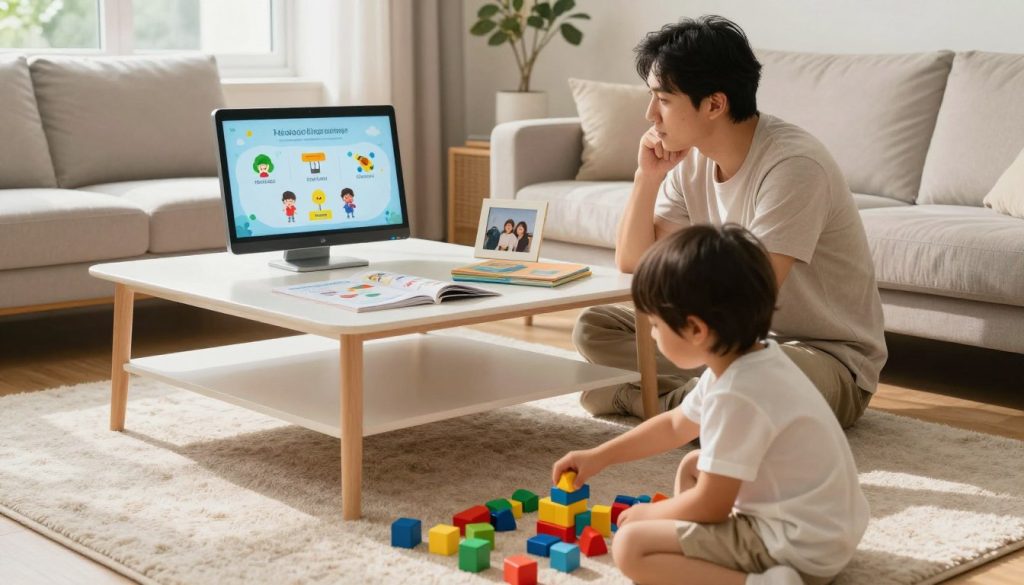
Screen time includes TVs, computers, tablets, and smartphones. Health groups say no screens for kids under 2. For older kids, it’s 1 hour a day for 2-4 years olds and 2 hours for 5-17 years olds, not counting schoolwork.
Many kids start using devices by age 2. Some preschoolers watch too much TV and use devices too much. It’s important to teach them how to use devices wisely.
Physical health impacts of too much screen use
Too much screen time means less time for playing and moving. It’s important to balance screen time with physical activity and sleep. For young kids, floor play and tummy time are key.
Children need 3 hours of physical activity every day. Older kids need at least 1 hour of active play and some light movement too. Nighttime screen use can disrupt sleep.
Devices should be turned off before bed. This helps with sleep and reduces eye strain. Too much screen time can also lead to weight issues and lower motor skills.
Developmental and psychosocial risks
Too much screen time can hurt language skills and attention span. Young children learn best from real-life interactions. High TV use can distract from important learning moments.
Phone use can interrupt family time. This can lead to more tantrums and emotional issues. Using screens to calm kids can make them rely on it too much.
Watching age-appropriate content together can help. A family plan that includes screen time limits and activities is key. This way, kids can learn and grow without too much screen time.
| Age Group | Recreational Screen Limit | Key Movement Target | Practical Tips |
|---|---|---|---|
| Under 2 years | No recreational screen time (video chat excepted) | Frequent floor play, tummy time | Choose face-to-face play; avoid background TV |
| 2–4 years | Less than 1 hour/day | ~3 hours activity, 1 hour energetic play | Co-view quality content; schedule active play and naps |
| 5–12 years | Up to 2 hours/day recreational | At least 1 hour/day moderate-to-vigorous activity | Keep screens out of bedrooms; family walks and playgrounds |
| Adolescents 13–17 | Limit recreational use; prioritize sleep and schoolwork | Daily exercise plus reduced sitting | Model balanced use; address technoference with rules |
Benefits of Screen-Free Activities for Cognitive, Social, and Emotional Growth
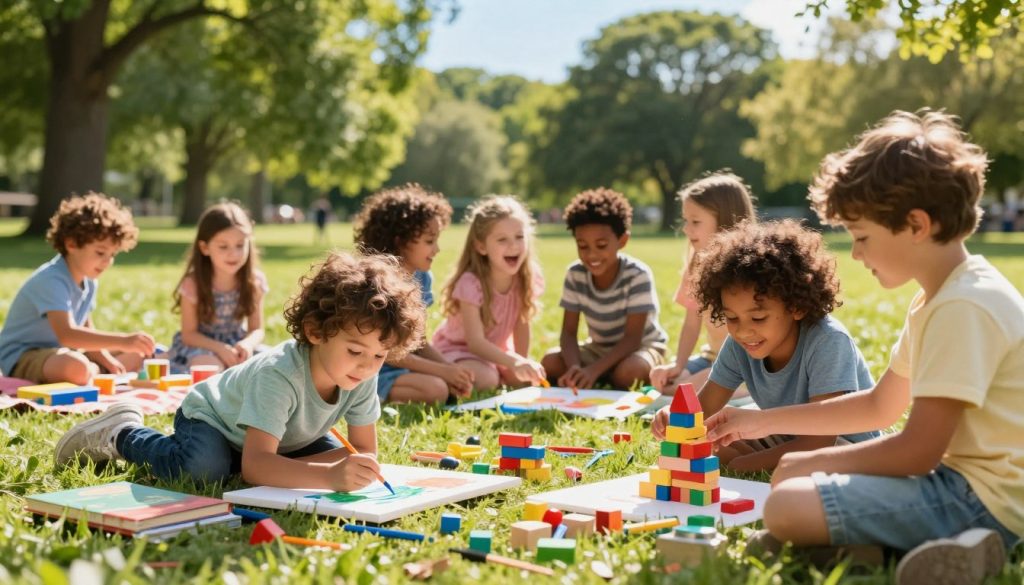
Dialogic reading, puzzles, and story play can boost your grandkids’ vocabulary and focus. These activities help their brains grow by improving memory and literacy. They also enhance executive function through hands-on learning.
Play that requires planning and waiting teaches self-control and memory. It turns everyday tasks into learning experiences, better than just watching screens.
Playing together face-to-face helps your grandkids develop social skills. Games teach them how to talk, empathize, and work together. This is more effective than video calls.
Family traditions, like cooking or crafts, strengthen bonds and pass down values. These activities create a sense of belonging and support social learning.
Spending time without screens helps you bond with your grandkids. By paying attention to their feelings and offering support, you help them manage emotions. This builds a strong emotional connection.
Mindful activities and quiet play teach patience and understanding emotions. These skills help reduce mood swings caused by too much screen time. They give kids simple ways to calm down.
Hands-on activities like gardening or cooking teach practical skills and boost confidence. Success in these tasks increases self-esteem and creates lasting memories.
Intentional screen use can be okay when it’s educational or for staying in touch over distance. But remember, the best learning comes from direct, playful interaction with you.
Practical Screen-Free Activities That Build Life Skills and Confidence
Visits can be learning moments with simple, screen-free activities. Choose activities that improve gross motor skills, boost patience and creativity, and strengthen emotional bonds. These tasks are perfect for shared experiences.
Active play and gross motor skill development
Infants benefit from short supervised tummy time and sensory mat exploration. These activities support early head control and reaching. Toddlers enjoy simple obstacle courses, push-pull toys, and soft-ball games that improve coordination.
Preschoolers grow through playground activities like climbing, hopping, and tricycle riding. These activities build strength and confidence. School-age kids gain endurance from bike rides, backyard games, beginner sports, and family hikes.
Set up short, fun movement sessions using household items for obstacle courses. Encourage imitation games and model active behavior yourself. Turn movement into cooperative goals—count steps together or explore a park—to make active play a bonding ritual.
Creative activities for grandkids and learning through play
Storytelling for grandkids can be oral tale sessions, puppet shows, or dialogic reading. These activities boost vocabulary, sequencing, and imagination. Keep a storybook jar to repeat favorites during visits and deepen family traditions.
Arts and crafts like painting, collages, clay modeling, and seasonal crafts develop fine motor control and persistence. Focus on the process, not perfection, and let the child lead projects. This encourages autonomy.
Mix music and movement with singing and simple instruments to support pattern recognition. Add pretend play, sensory bins, and planting seeds to encourage curiosity and learning. Use everyday materials and a safe craft station to make creative activities easy and low-cost.
Calm, mindfulness, and patience-building activities
Introduce mindfulness activities for children with playful breathing games like bubble blowing or belly breathing. Short, age-appropriate guided imagery helps self-regulation and focus.
Slow-paced crafts like beading, coloring mandalas, or simple knitting build concentration and patience. These activities can be done while you narrate steps to strengthen emotional connection. Nature-based calm activities for grandkids include quiet birdwatching, sensory walks, and cloud-spotting to restore attention.
Keep sessions brief for younger children, use soft music or dim light, and praise effort. Predictable bedtime rituals and counting or story routines support sleep and emotional security.
Teaching practical life skills with grandchildren
Toddlers and preschoolers learn responsibility through sorting laundry, stirring batter, and watering plants. These tasks teach fine motor skills and routines that lead to confidence.
School-age children can cook simple recipes, try basic sewing, tend a garden, or do beginner woodworking under supervision. These activities practice planning, sequencing, and safety. Older kids benefit from budgeting with play money, map reading on hikes, and preserving family recipes to support practical skills and promote legacy building.
Break tasks into small steps, use encouragement and scaffolding, and allow controlled risk-taking. Match activities to ability, choose child-safe tools, and supervise closely while you pass down family traditions across generations.
| Age | Activity | Skill Targets |
|---|---|---|
| Infants (0–12 months) | Tummy time, sensory mats, reaching games | Head control, early motor milestones, sensory exploration |
| Toddlers (1–3 years) | Obstacle courses, push-pull toys, soft-ball play | Balance, coordination, following directions |
| Preschoolers (3–5 years) | Playground climbing, tricycle riding, follow-the-leader | Strength, spatial awareness, confidence |
| School-age (6+ years) | Bike rides, tag, beginner sports, family hikes | Endurance, motor competence, teamwork |
| All ages | Storytelling, arts and crafts, mindfulness exercises | Language, fine motor skills, self-regulation, emotional connection |
Strategies to Replace Screen Time and Strengthen Connection with grandkids
Make a family media plan together. Set limits and mark screen-free zones like bedrooms and the dinner table. Choose screen-free times like mealtimes and an hour before bed. Use devices for things like video calls with family and review the plan with your grandkids every few months.
Be a good example. Put your phone away during visits and turn off TV. Explain why you chose to focus on play or reading. This helps improve your relationship with your grandkids and makes screen-free time meaningful.
Have ready alternatives when screens are off. Store puzzles, crafts, games, and outdoor gear in a visible basket. Rotate items to keep things fresh. This makes it easier to switch from a device to an activity without a fight.
Use co-play and co-learning to bond. Read aloud, build a LEGO set, or join pretend play. Your active presence boosts learning and makes bonding more meaningful than screen use.
Make transitions smoother with timers and countdowns. Give a five-minute warning, then offer an engaging activity. This reduces resistance and keeps the mood positive.
Set consistent rituals that become family traditions. Try baking on Sundays, a bedtime story each night, or a monthly craft. These activities build lasting memories and strengthen emotional ties.
Balance limits with thoughtful digital uses. Use video for shared experiences, like a virtual storytime. Always co-view when possible. This keeps screen time a tool for connection, not just entertainment.
Offer alternatives when caregivers use screens to manage behavior. Suggest sensory toys, quiet games, or short walks. For busy parents, recommend focused play sessions that boost attachment and feel doable.
Track swaps and adjust as you go. Note how many minutes of play replace screen minutes. Watch for changes in mood, sleep, and engagement. Let your grandkids pick activities; this increases buy-in and keeps things fresh.
Start simple legacy projects that repeat each year. Create a story jar, a recipe box, or an annual craft. These rituals support your relationship and give you meaningful ways to spend time with your grandkids.
| Strategy | Easy Steps | Benefit for relationship |
|---|---|---|
| Create a family media plan | Set limits, define zones, schedule review | Clear expectations reduce conflict and support bonding with grandkids |
| Model healthy behavior | Put devices away, explain choices | Shows children how to prioritize quality time with grandchildren |
| Ready alternatives | Keep a rotation of games, crafts, outdoor tools | Reduces friction when screen time ends and sparks play |
| Co-play and co-learning | Read, build, pretend together | Deepens connection and boosts learning |
| Scaffold transitions | Use timers, give warnings, offer replacements | Makes shifts calm and predictable |
| Consistent routines | Establish rituals like baking or story time | Creates traditions that strengthen intergenerational bonding activities |
| Meaningful digital uses | Schedule video calls, co-view shared experiences | Keeps tech for connection, not default entertainment |
| Alternatives for caregivers | Suggest calming toys, quiet games, short play bursts | Supports parents and maintains quality interactions |
| Measure and involve kids | Track minutes swapped, let kids choose activities | Improves buy-in and highlights benefits of spending time with grandkids ideas |
Conclusion
Limiting screen time and choosing activities without screens helps your grandkids grow healthier and more confident. Active play, creative projects, and mindfulness support their physical and mental health. These activities also help them develop social skills and emotional control.
Set clear limits on screen time, especially for young children. Model good media habits and choose hands-on activities. Create a family media plan and enjoy quality content together. Start a tradition that will last for years.
Try a few activities on your next visit and write down a tradition to repeat. Stick to screen-free time. Research supports the importance of live interactions for young children’s learning. Use these moments to create lasting memories, teach important skills, and pass on family traditions.
FAQ
What counts as “screen time” for grandchildren and how do current guidelines differ by age?
Why prioritize screen-free activities when visits with grandchildren are limited?
What are the main physical health concerns tied to excessive screen use in children?
How does too much screen time affect development, attention, and language in young children?
What are practical, age-appropriate active play ideas I can try with my grandkids?
Which creative, screen-free activities best support learning and confidence?
How can I calm a child without resorting to a screen?
What simple life-skill activities can grandparents teach and at what ages?
How do I replace screens without a big plan or lots of time?
What is “technoference” and how can grandparents help reduce it?
Are there benefits to using screens sometimes with grandchildren?
How can I create lasting traditions and memories with my grandchildren while staying screen-free?
How do I make a simple family media plan that grandparents can support?
What signs should I watch for that indicate screen use is causing problems?
How can grandparents track progress when replacing screen time with other activities?
This post contains affiliate links. If you click on a link and make a purchase, I may earn a small commission — at no extra cost to you. Thank you for supporting this blog and helping me keep the patterns free! Read the full Affiliate Disclosure & Transparency.