
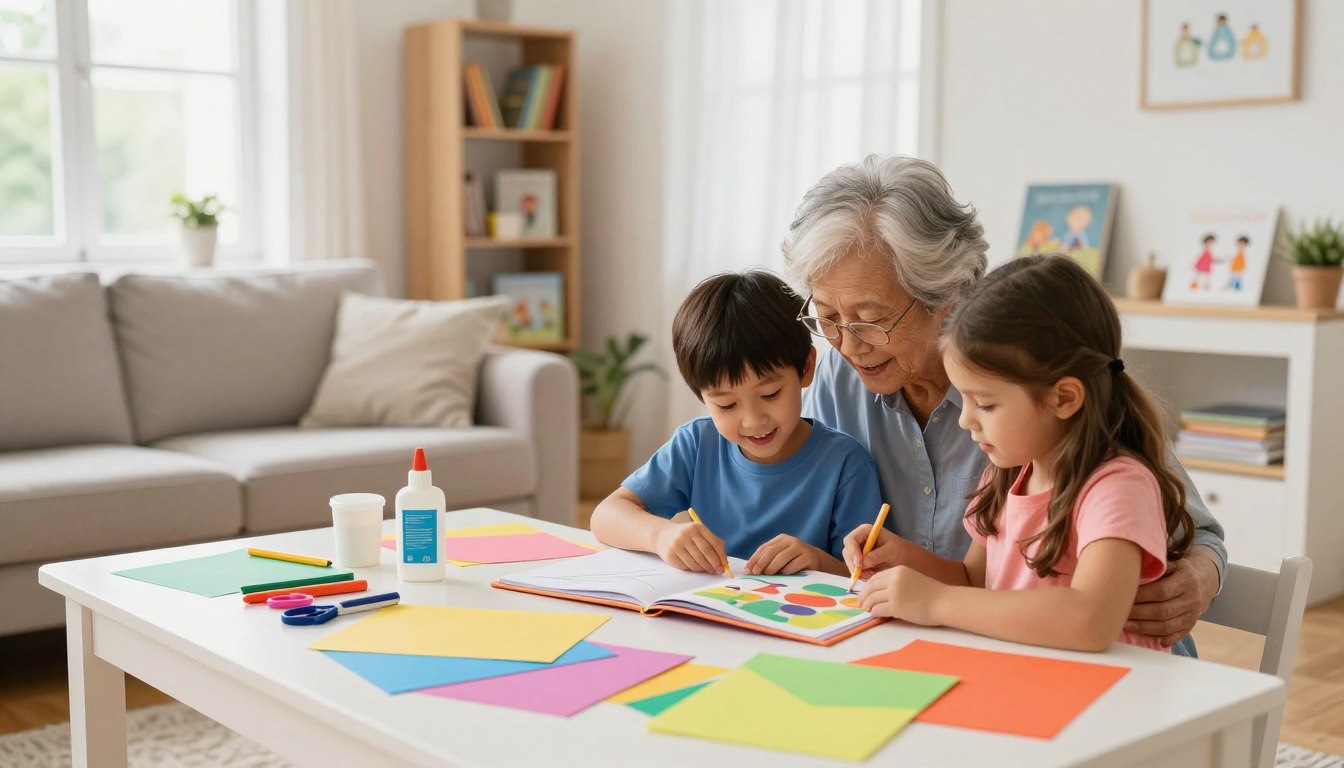
Simple hobbies can be powerful learning tools for your grandkids. Activities like painting, sewing, or gardening seem like fun but help with thinking, problem-solving, and discipline. Kids learn about cause and effect, patterns, and early math when they play freely with materials.
Art and music also help kids develop the small muscles needed for writing, cutting, and buttoning. These skills improve with fun activities like using crayons, brushes, instruments, or clay. Adding creative hobbies to playground play helps kids with balance and coordination.
Make creative hobbies a regular part of your time together. Use a variety of materials, ask open-ended questions, and enjoy the process. This way, your grandkids will get better at focusing, speaking, and getting ready for school.
Key Takeaways
- Creative activities for grandkids combine play and learning to improve cognition and motivation.
- Open-ended art helps fine motor development through hands-on exploration.
- Music, sewing, and gardening offer measurable benefits for memory and coordination.
- Simple strategies—right tools, routine practice, and encouragement—boost results.
- These activities create meaningful quality time with grandchildren and strengthen bonds.
The importance of creative hobbies for cognitive and emotional development
Creative hobbies light up brain areas linked to innovation and memory. When kids play with paint, music, or blocks, they’re learning. These activities help them understand complex ideas in simple ways.
Learning through play with your grandkids opens doors to discovery. Art and simple experiments teach them about cause and effect. Asking them questions helps improve their language and planning skills.
Creative play also has emotional benefits and helps reduce stress. Quiet time with crayons or a guitar lets kids express their feelings. Sharing projects with your grandkids strengthens your bond as you laugh and celebrate together.
Hobbies give kids a safe space to learn from mistakes. They learn patience and perseverance by trying again. This helps build their confidence as they face small challenges.
Arts and crafts improve kids’ self-reliance and physical skills. Better motor skills help them in playground games and school tasks. This reduces anxiety and boosts their social skills.
Fine motor skill development through hands-on creative activities
Hands-on play is key for small-muscle control in kids. It helps them with daily tasks. Activities that require precise movements improve writing, buttoning, and handling small objects.
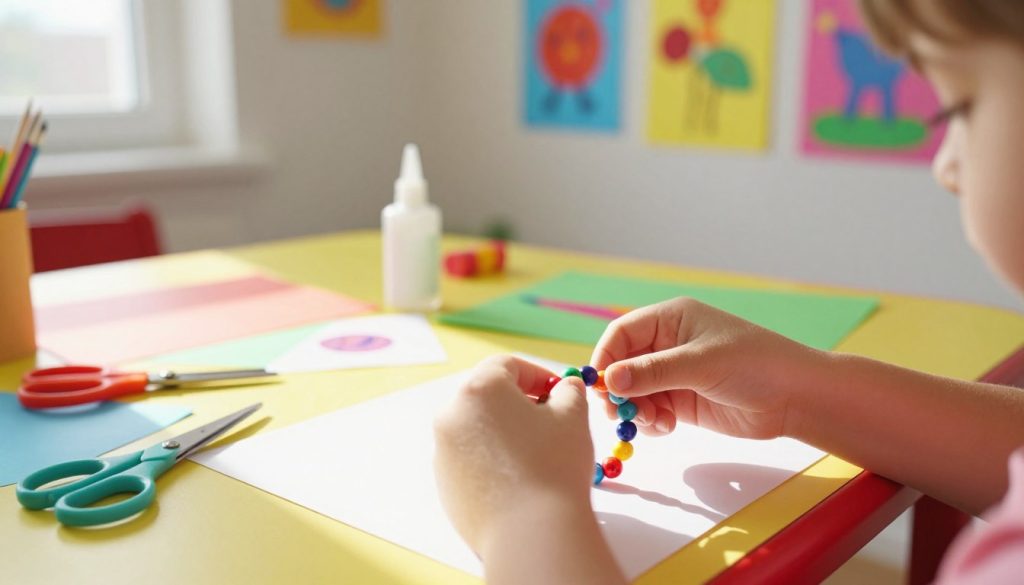
Start with simple, calm activities for grandkids. Let them practice at their own pace. This strengthens wrist, hand, and finger muscles.
Offer open-ended art supplies for playful experiments. These teach cause-and-effect and planning.
What fine motor skills are and why they matter
Fine motor skills are small-muscle movements in fingers and hands. They help with holding pencils, cutting with scissors, and tying shoelaces. Strong fine motor control reduces frustration and supports classroom success.
Developing these skills lowers the risk of mishandling small objects. It increases confidence. You will see improved handwriting, better self-care, and calmer transitions into school tasks.
Art activities that strengthen hand muscles and coordination
Painting, drawing, and stamping improve hand control and observational ability. Using oil pastels, markers, and paintbrushes teaches pressure control and different grips. Offer Q-tips, brushes, and textured tools for varied motions.
Playing simple instruments like a recorder, ukulele, or small keyboard helps finger independence and timing. These activities build memory, focus, and bilateral coordination while keeping sessions enjoyable.
Crafts and practical hobbies that develop dexterity
Sewing, quilting, and beadwork require precise movements that train fine motor coordination and spatial reasoning. Cutting fabric, measuring, and threading teach patience and step-by-step planning.
Gardening tasks such as planting seeds, pinching leaves, and journaling growth combine outdoor play with delicate handwork. These activities give sensory feedback and promote responsibility.
Mix activity types to keep skills broad. Include play dough, lacing cards, pasta threading, and button boards. These activities create varied practice for gripping, pinching, and turning. You will find calm activities for grandkids help them focus and enjoy learning new tasks.
| Activity | Muscle groups trained | Benefits |
|---|---|---|
| Drawing & painting | Wrist, fingers, forearm | Pressure control, pencil grasp, observation |
| Recorder, ukulele, keyboard | Finger independence, bilateral coordination | Memory, focus, timing, fine motor strength |
| Sewing & quilting | Thumb-index precision, hand-eye coordination | Measuring, planning, dexterity for daily tasks |
| Gardening (seed planting, journaling) | Pinch grip, gentle handling | Responsibility, sensory feedback, patience |
| Beads, lacing, button boards | Fine finger muscles, coordination | Self-care skills, safe object handling |
Learning outcomes tied to specific creative hobbies
You can link specific creative activities for grandkids to clear learning goals. Choose hobbies that match skill targets and daily routines. Small steps and steady practice turn play into measurable progress.
Music and instrument practice: memory, focus, and math skills
Start with easy instruments like the recorder, ukulele, or keyboard. They help build finger strength and timing. Short, regular sessions improve memory and concentration.
Music theory introduces patterns and fractions that echo math concepts. Counting beats, reading rhythms, and dividing measures reinforce numeracy in a hands-on way.
Creative writing and storytelling: language, organization, and communication
Creative writing and storytelling for grandkids sharpen vocabulary and narrative structure. Use open-ended prompts to ask children to describe scenes, sequence events, and revise drafts.
Typing and editing work on spelling and grammar. Group storytelling fosters listening skills and clear expression, useful across reading and classroom tasks.
Gardening and nature play: science, responsibility, and observation
Gardening teaches basic botany, measurement, and record keeping. Tracking seed counts, soil pH, and watering routines builds scientific thinking and responsibility.
Outdoor nature play boosts observation and motor coordination. Notes, sketches, and simple journals help turn curiosity into learning outcomes for grandkids activities.
Use a mix of these hobbies to cover cognitive, social, and practical goals. Creative activities for grandkids combined with guidance on teaching life skills to grandkids create routines that last beyond a single season.
| Hobby | Core Learning Outcome | Practical Steps | How to Measure Progress |
|---|---|---|---|
| Ukulele/Keyboard | Memory, rhythm, basic math | Daily 10-minute practice, simple songs, clap rhythms | Count of songs learned, ability to play without sheet |
| Creative Writing | Language, organization, communication | Short story prompts, peer read-aloud, editing sessions | Word count growth, number of revisions, vocabulary use |
| Storytelling Games | Expressive language, sequencing | Story dice, picture prompts, group story chains | Complexity of plots, use of transition words |
| Gardening | Science knowledge, responsibility | Planting schedule, watering chart, journal entries | Seed germination rate, journal completeness |
| Sewing/Quilting | Measurement, fine motor skills, practical math | Simple stitches, measuring fabric, following patterns | Accuracy of cuts, completed projects, stitch consistency |
Practical tips for supporting your child’s hobbies and motor-skill growth
Make a quiet area for your child to explore. Keep things like scissors, sewing needles, gardening tools, and small instruments ready. This helps them practice safely and steadily.
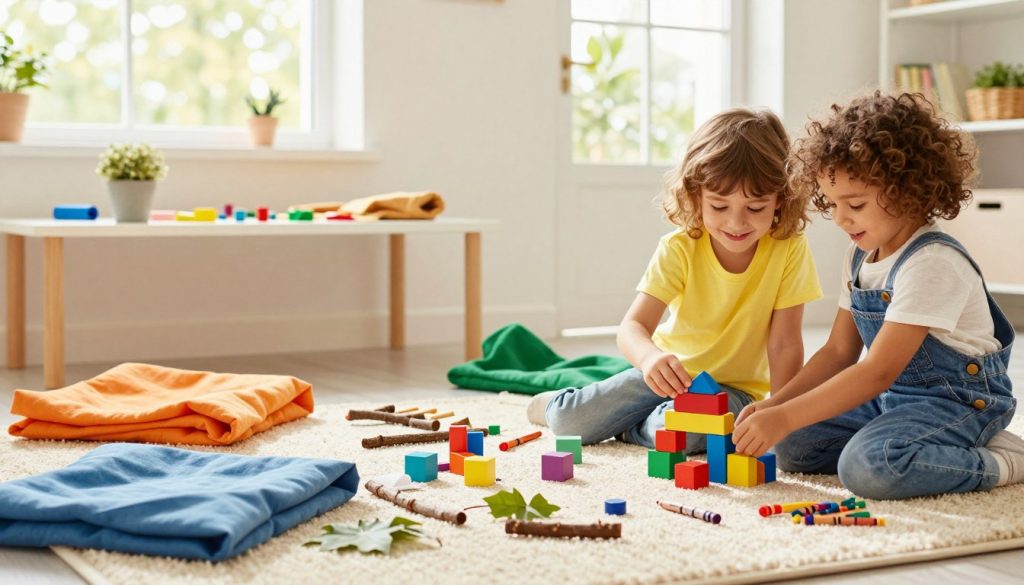
Change up the supplies to keep things interesting. Offer paint, colored pencils, chalk, play dough, markers, oil pastels, stamps, and recycled items. These open-ended materials let kids be creative and learn through play.
Plan short practice times each day. Add craft time to after-school or homeschool routines. This makes hobbies a regular part of their day.
Combine creative activities with physical ones. Exercises, climbing, and playground play improve posture and coordination. Try activities that use both hands for better hand-eye coordination.
Use prompts that spark stories instead of giving detailed instructions. Ask, “Tell me about your picture” and mimic their gestures. This lets them lead the project and encourages creativity.
Join community classes or groups for kids. These settings help build skills and confidence. Working with peers or you shows them the value of persistence and regular effort.
Focus on the process, not just the end result. Let kids try out safe tools and make mistakes. Valuing effort helps them build stamina and control over time.
Using creative hobbies to strengthen family bonds with grandkids
Crafts, music, and gardening can make your bond with grandkids stronger. Working on projects together makes learning fun and hands-on. These moments become cherished traditions that kids remember for a long time.
Choose activities that fit their age and skill level. Simple recipes, a quilt block, or a small garden bed are great. They teach important skills while letting kids do things on their own.
Doing things without screens helps you talk more. Activities like art, storytelling, and building can spark interesting conversations. These moments create lasting memories that go beyond any app or TV show.
Guided play helps teach life skills in a gentle way. You can show them how to do things like thread a needle or plant a seed. Letting them lead and helping when needed builds their confidence and helps create a lasting legacy.
Joining community classes or library music hours can expand your social circle. These outings offer quality time and introduce new people. They can spark new interests and help kids find clubs and mentors outside the family.
Try new traditions to keep things exciting. An annual planting day, a holiday quilt piece, or a monthly story night can be great. These activities make family time special and create a shared history that you can enjoy every year.
Practical table of project ideas and outcomes:
| Project | Age Range | Skills Gained | Bonding Benefit |
|---|---|---|---|
| Simple baking (cookies) | 4–10 | Measuring, following steps, safe kitchen habits | Shared reward and conversation during prep |
| Quilt block or hand-sewing | 6–12 | Fine motor control, pattern recognition, patience | Tradition that ties generations and supports legacy building with grandchildren |
| Container gardening | 3–14 | Plant care, observation, responsibility | Ongoing project that fosters memories with grandkids as plants grow |
| Duet music practice | 5–15 | Rhythm, listening, cooperation | Immediate teamwork and long-term confidence boosts |
| Storytelling nights | All ages | Language skills, imagination, sequencing | High-quality time and rich intergenerational bonding activities |
Conclusion
Using creative hobbies can give your grandkids tools for life. Simple activities like drawing, music, gardening, and building with blocks improve fine motor skills, memory, and problem-solving. By focusing on the process, not just the product, you help them learn and grow.
Make time for activities that don’t involve screens. This builds a strong bond with your grandkids. Art and exploratory play encourage questions and conversations. This helps them practice language and math while they have fun.
Balance creative tasks with active play to improve posture, balance, and hand-eye coordination. Offer a variety of materials and ask open-ended questions. Join in without taking over. This approach makes spending time with your grandkids both enjoyable and educational, helping them become resilient and curious.
FAQ
How do creative hobbies support learning and fine motor skills in kids?
Why is creativity a driver of learning and problem-solving?
What emotional benefits and stress relief come from creative play?
How do hobbies teach patience, perseverance, and discipline?
What are fine motor skills and why do they matter?
Which art activities strengthen hand muscles and coordination?
What crafts and practical hobbies develop dexterity?
How do music and instrument practice improve cognitive skills?
How do creative writing and storytelling help language and organization?
What learning benefits come from gardening and nature play?
What tools and materials should you provide to support hobby growth?
How can you integrate practice into daily routines and free play?
How do you encourage grandkids without taking over their projects?
How can shared projects strengthen your relationship with grandkids?
What screen-free activities work well for quality time with grandchildren?
How do you teach life skills and confidence through guided play?
How can you combine physical play with creative tasks to accelerate development?
Where can families find supportive communities or classes for hobbies?
How do you measure progress in creative and motor skills without stressing the child?
What safety and patience tips should grandparents keep in mind?
This post contains affiliate links. If you click on a link and make a purchase, I may earn a small commission — at no extra cost to you. Thank you for supporting this blog and helping me keep the patterns free! Read the full Affiliate Disclosure & Transparency.