
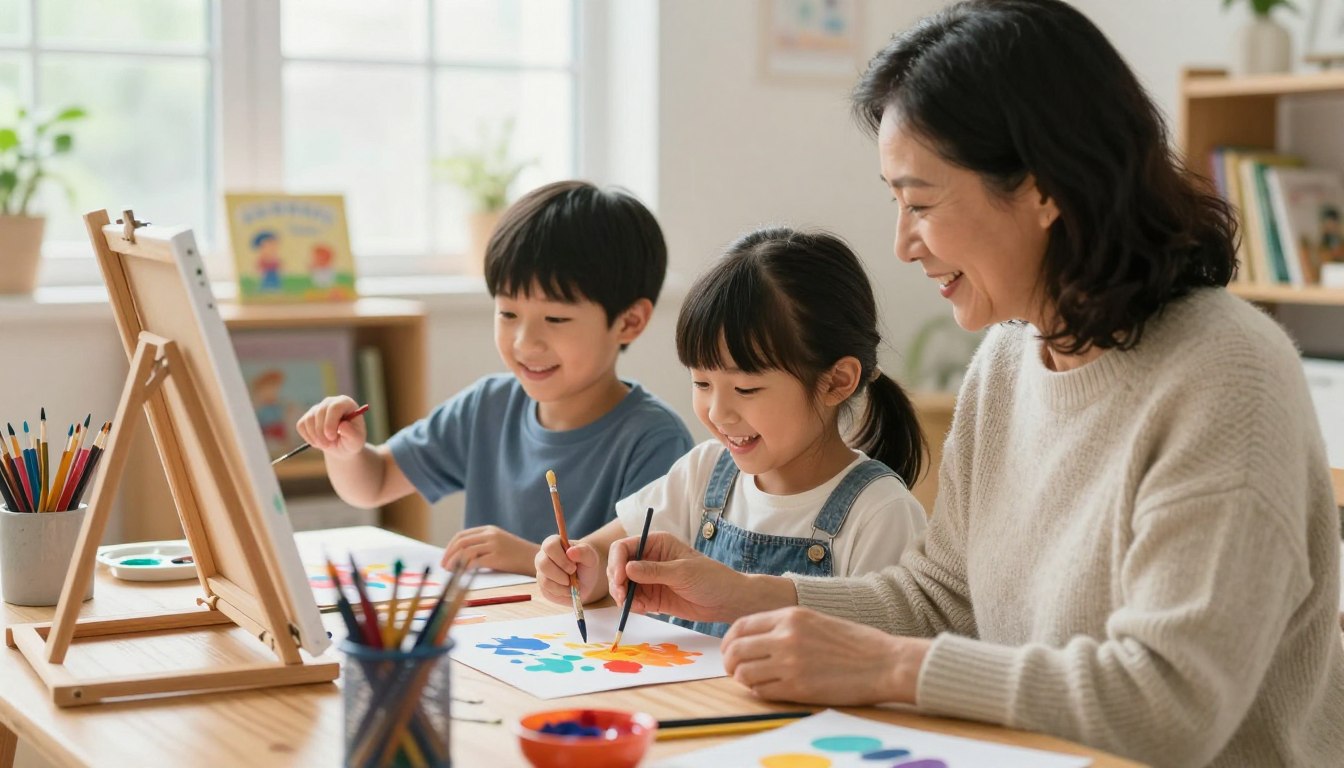
Sharing time with your grandkids is more than just passing down recipes or crafts. Studies, like the GRANDPACT initiative at Ghent University, show that playing together keeps grandparents fit and sharp. It also fights loneliness and gives them a new reason to live.
Traditions with grandchildren also shape family history and culture. UNESCO calls festive leisure a key part of cultural heritage. Simple rituals, like baking together or having a special breakfast on the first day of school, create lasting memories for your grandkids.
Building a legacy with your grandkids starts with small, repeated actions. It could be teaching them a holiday song or going for a walk every Sunday. These activities strengthen your bond, build community, and help your grandkids feel connected to their heritage.
Key Takeaways
- Grandparents’ active involvement benefits physical, emotional, and cognitive health for both generations.
- Family traditions across generations preserve cultural memory and deepen family ties.
- Simple, repeatable activities turn into lasting traditions your grandkids will anticipate.
- Passing traditions to grandkids supports legacy building with grandchildren and social connection.
- Festive leisure and everyday rituals both play a role in sustaining traditions with grandchildren.
Why Creative Traditions Matter for Families and Cultural Continuity
Creative family traditions help share values and stories. Small rituals like baking a holiday pie or a Saturday craft hour shape your family’s rhythm. These moments become memories with grandkids that last into adulthood.
Definition and examples of creative family traditions
Examples include storytelling nights, simple board games, and garden projects. Heirloom recipes and short seasonal rituals like a summer “Grandma Camp” are also part of it. You can create activities that fit your family’s energy and space.
Repeating a few events helps kids connect your family’s identity to joyful experiences.
Intangible cultural heritage and legacy building
Intangible cultural heritage includes living practices like festive leisure and local recipes. Keeping these customs alive supports legacy building with grandchildren. Small acts like postcard exchanges or baking sessions protect cultural threads important to your family.
How traditions support identity, belonging, and intergenerational cultural transmission (research insights)
Research shows traditions often happen on weekends and holidays. They take place in public spaces like parks or restaurants. These settings help grandchildren learn skills, boost creativity, and feel included in family life.
Creating clear, repeatable rituals that fit your schedule strengthens identity and belonging. This approach makes legacy building with grandchildren practical and lasting. Over time, these simple choices create strong memories and a living link in family traditions.
Health, Emotional, and Cognitive Benefits of Passing Traditions
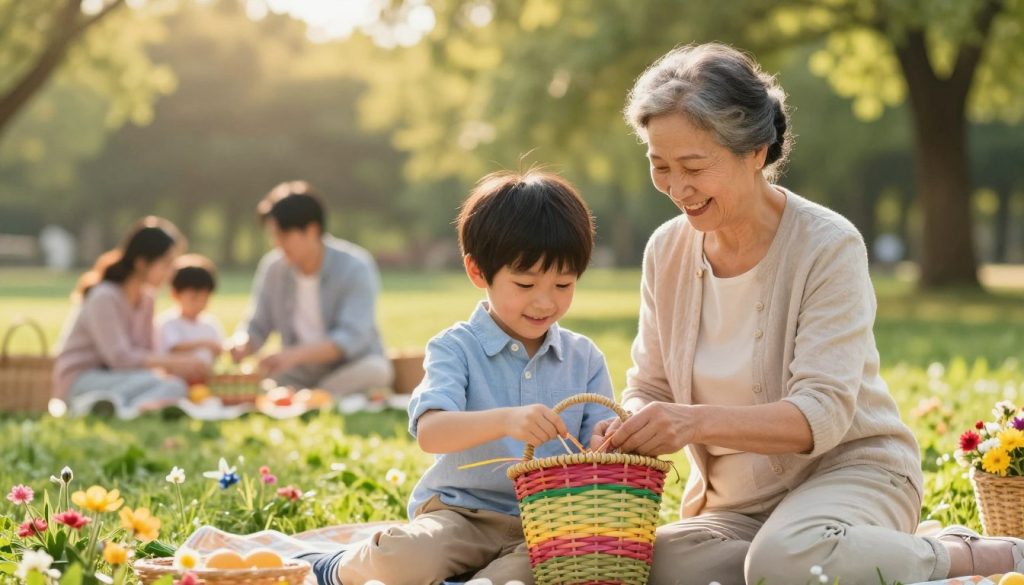
Sharing family crafts, recipes, or stories creates special moments. These moments are good for both body and mind. They encourage movement and activity, helping both generations stay active.
Doing things together builds a strong bond between grandparents and grandchildren. It gives kids a safe place to share feelings and ask questions. For grandparents, it brings joy and helps fight loneliness.
Hands-on activities and stories help kids develop problem-solving skills. Puzzles and crafts improve attention and memory. These activities also keep grandparents mentally sharp.
Simple traditions help bond families through routine. Activities like baking or gardening teach skills and strengthen family ties. They boost kids’ resilience and sense of belonging.
Use the table below to pick activities that match energy levels and goals. Each choice lists how it supports physical, emotional, and cognitive benefits so you can plan moments that fit your life and theirs.
| Activity | Physical Benefits | Emotional Benefits | Cognitive Benefits |
|---|---|---|---|
| Baking a family recipe | Light movement, fine motor skills | Shared accomplishment, emotional connection with grandchildren | Following steps, measuring, memory recall |
| Gardening in raised beds | Walking, bending, hand strength | Calm bonding with grandkids, sense of stewardship | Planning, observation, life-cycle learning |
| Storytelling and oral histories | Sitting with expressive gestures | Stronger grandparents and grandchildren relationship, emotional closeness | Language skills, narrative comprehension, imagination |
| Board games and puzzles | Seated activity that supports fine motor control | Playful bonding with grandkids, friendly competition | Strategy, problem-solving, attention span |
| Short neighborhood walks | Cardio, balance, mobility | Shared exploration, reduced isolation for grandparents | Observation skills, curiosity about surroundings |
Practical Creative Activities to Pass Down to Your Grandkids
Sharing a craft or ritual with your grandkids can be both simple and special. Choose activities you enjoy and that fit your grandchild’s age. Short, repeatable sessions build anticipation and create lasting memories.
Screen free projects that teach and delight
Opt for easy, hands-on projects like baking simple cookies, planting herbs in small pots, or making paper collages. These activities improve fine motor skills and encourage sharing and taking turns.
Set regular times for these activities. This could be Sunday baking, monthly craft afternoons, or a seasonal backyard nature hunt. These rituals turn a one-time craft into a cherished family tradition.
Sharing family stories and memory exercises
Storytelling works best when it feels like a conversation. Use old photos, a recorded voice memo, or a simple scrapbook to spark memories and questions.
Try prompts like “Tell me about your first pet” or “What did school smell like for me?” These make storytelling interactive and help kids connect with their family’s history.
Calm practices that build focus and emotional skills
Introduce calm activities like guided breathing, chair stretches, or sensory nature walks. These moments teach emotional control and create a soothing routine.
Create a gratitude jar or a quiet reading corner to visit together. Small rituals like these make calm activities feel attainable and comforting.
Quick ideas to keep on hand
- Craft box with recycled materials and simple instructions for creative activities for grandkids.
- Recipe cards for two or three family favorites to encourage weekend baking.
- A photo album labeled with short stories to prompt storytelling for grandkids.
- Mindful walk checklist (sounds, smells, textures) for calm activities for grandkids.
- Calendar of predictable meet-ups to support spending time with grandkids ideas.
| Activity Type | Example | Frequency | Benefits |
|---|---|---|---|
| Crafts | Seasonal collage with leaves and fabric scraps | Monthly | Fine motor skills, creativity, tradition building |
| Baking | Grandma’s sugar cookies with numbered steps | Weekly or Sundays | Math practice, following directions, shared routine |
| Gardening | Planting herbs in labeled pots | Spring and summer weekends | Responsibility, sensory learning, outdoor time |
| Storytelling | Photo-album sessions with short recorded tales | Monthly or holiday gatherings | Language growth, memory preservation, family identity |
| Mindful play | Gratitude jar and five-minute breathing | Daily short bursts or before bedtime | Emotional regulation, calm focus, connection |
Designing Traditions That Fit Your Health, Location, and Schedule
When planning traditions, think about what you can do easily and often. Choose low-impact activities with your grandkids to stay involved without getting tired. Try seated crafts, short baking sessions, storytelling, or potting at waist height for fun and comfort.
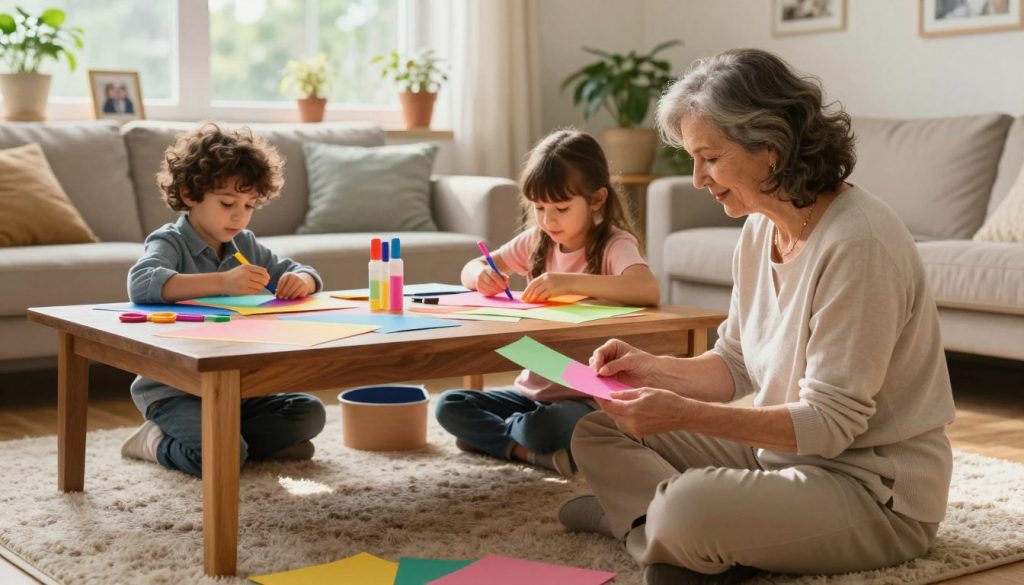
Low-impact, repeatable activities
Go for activities that are easy to do again and don’t need much setup. Teach a weekly recipe over coffee or send a monthly craft kit. Gentle board games, short garden tasks, and audio stories are great for those with limited energy.
Long-distance options
For grandkids far away, create rituals that work across distances. Set up regular calls for story time, record bedtime stories, or send postcards. You can also have virtual craft sessions. These keep the bond strong even when you can’t meet in person.
Using predictable timing
People often come together on weekends and holidays. Use these times for bigger activities. Meet at parks or favorite diners for easy and fun gatherings that fit everyone’s schedule.
Make a simple schedule for traditions with your grandkids. Match it to your energy and the family’s calendar. Plan rituals that repeat monthly, weekly, or yearly. This way, your grandkids know what to expect, and you can enjoy them without stress.
Making Traditions Engaging: Teaching Life Skills and Creative Play
Start small and playful when teaching skills to the next generation. Short, hands-on projects keep kids focused. They learn about care, timing, and teamwork.
Learning through play with grandchildren
Play games and do mini-projects that teach important skills. A simple board game can teach kids to adapt when plans change. Crafts show how to break tasks into steps and handle failures.
Teaching life skills to grandkids through hands-on traditions
Cooking, gardening, sewing, and basic tool crafts teach measuring, following directions, and plant care. Repeat these activities to help kids learn routines and safe habits. Let a five-year-old stir batter, a seven-year-old plant seeds, and a ten-year-old use a hand tool under supervision.
Raising confident children through play and creative mentoring
Your encouragement builds self-esteem. Praise effort, not just results, and offer choices that match their skill level. This approach supports social skills and confidence when trying new things.
Reciprocal learning keeps both generations curious. Grandchildren bring fresh ideas from school or apps. You share traditional techniques and stories that anchor identity. This exchange strengthens your bond and fuels patience and creativity for kids.
Mix structured tasks with free play to keep interest high. Alternate a short recipe, a garden chore, and an open-ended craft during visits. You will find creative activities for grandkids that teach real-life skills and nurture long-term confidence.
Strengthening the Grandparents and Grandchildren Relationship — Ideas and Boundaries
Building lasting ties is easy with simple, repeatable routines. Short bedtime calls, a monthly baking session, or an annual “Grandma Camp” are great. These activities create memories and trust, helping children feel secure.
Plan quality time with your grandkids in short sessions. Activities like crafts, reading, or walks should last 20–45 minutes. Small rewards, like stickers or a photo album, make these moments special without feeling overwhelmed.
Setting clear roles is key to a happy time together. Talk with parents about health, discipline, and screen rules before starting. Agreeing on expectations helps avoid conflicts and makes setting boundaries easier. Use notes or a shared calendar to keep plans and limits clear.
Choose activities that are both fun and meaningful for bonding. Holiday baking, local fairs, or nature walks are great. Doing these activities over the years creates lasting family memories.
Here’s a quick guide to help plan activities, boundaries, and outings. It’s tailored to your mobility, schedule, and comfort level.
| Type of Activity | Best For | Time Needed | How It Helps |
|---|---|---|---|
| Weekly bedtime call | Long-distance grandchildren | 10–15 minutes | Builds emotional security and regular bonding with grandkids |
| Monthly baking session | Local visits, ages 4–12 | 30–60 minutes | Teaches skills, encourages quality time with grandchildren |
| Annual “Grandma/Grandpa Camp” | School-age children | 2–3 days | Creates strong traditions and a resilient grandparents and grandchildren relationship |
| Festive outings (fairs, festivals) | All ages, weekends | 2–4 hours | Promotes festive leisure with grandchildren and shared cultural experiences |
| Quiet crafts or storytelling | Young children, limited mobility | 20–40 minutes | Encourages creativity, learning, and calm bonding |
Conclusion
Sharing creative traditions with your grandkids is good for their health and minds. It also strengthens your bond. Simple activities like baking, telling stories, or making crafts create lasting memories.
Studies show that regular, fun activities on weekends and holidays are key. You can do these at home or at local events. This makes every day special and keeps family values alive.
Begin with small steps that fit your life and health. Try phone calls, sending postcards, or short walks. These actions help you stay close to your grandkids and build a lasting legacy.
FAQ
What are creative family traditions and can you give examples?
Why do creative traditions matter for cultural continuity and family identity?
How do traditions support my grandchild’s identity, belonging, and resilience?
What physical benefits come from playing and doing activities together?
How do these activities help cognitive development for grandchildren (and grandparents)?
What emotional and social benefits will my grandchild gain from these traditions?
Can you recommend screen-free activities for grandkids that are simple to start?
How can I use storytelling and memory-sharing to connect with grandchildren?
What calm and mindfulness activities are appropriate for grandchildren?
How do I design traditions that fit my physical abilities and schedule?
What are good long-distance options if I don’t live nearby?
When are the best times and places to plan shared festive leisure activities?
How do I teach life skills through traditions without being overbearing?
Which games and play activities help with patience, problem-solving, and confidence?
How can I set healthy boundaries and collaborate with parents about traditions?
What are some high-value shared outings that create lasting memories?
How can small, repeatable rituals become a meaningful legacy?
This post contains affiliate links. If you click on a link and make a purchase, I may earn a small commission — at no extra cost to you. Thank you for supporting this blog and helping me keep the patterns free! Read the full Affiliate Disclosure & Transparency.