
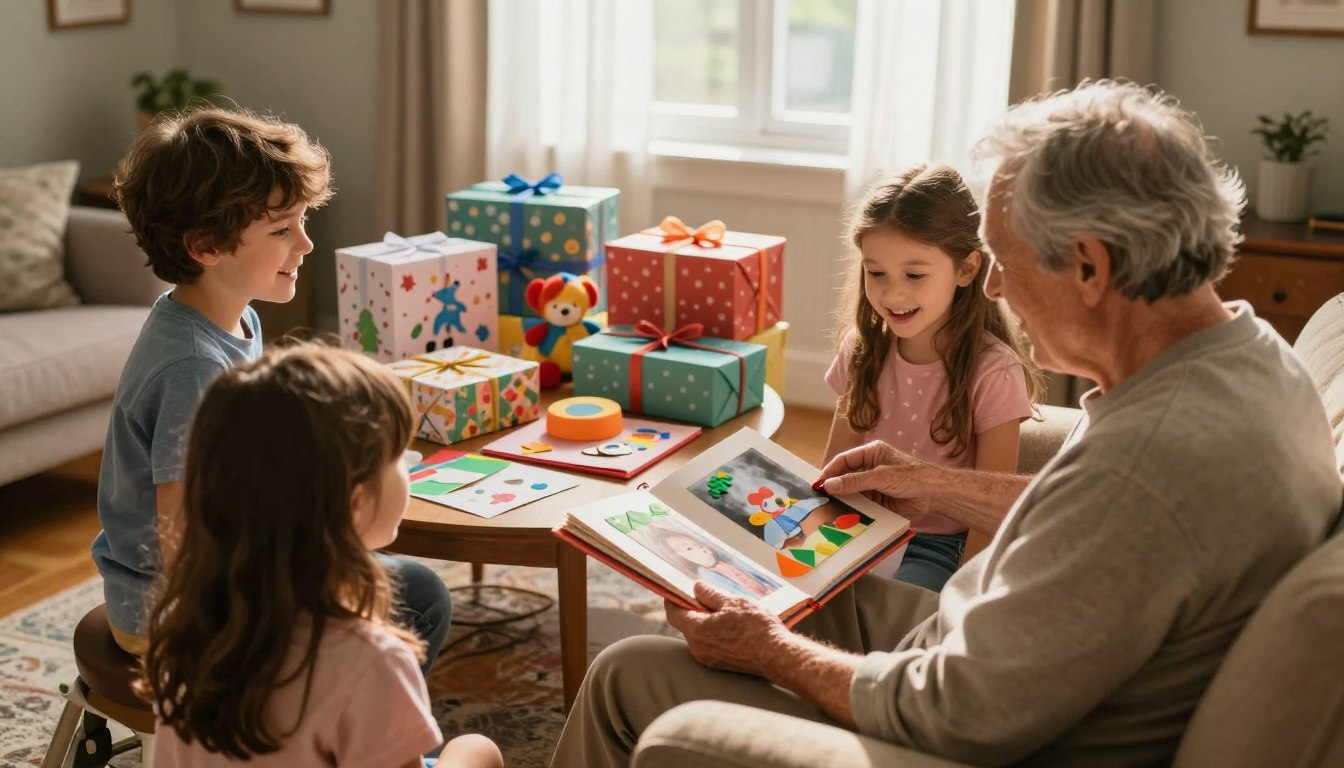
You want gifts that do more than just sit on a shelf. Personalized presents, like an embroidered blanket or a custom photo book, show you care. They make the gift special from the start and help bond with grandkids through shared stories.
Personalized items are often kept, handled, and talked about. Studies show that customization makes kids appreciate gifts more. It makes them see the item as a part of themselves, helping to create lasting family treasures.
These special keepsakes also help create memories. They engage the brain’s memory networks and support emotional well-being. For you, it means stronger bonds with your grandkids and a deeper connection across generations.
Key Takeaways
- Personalized gifts show thoughtfulness and strengthen bonding with grandkids.
- Customized keepsakes are kept longer and often become family heirlooms.
- Personalization activates emotional and memory systems in children.
- These items support legacy building with grandchildren by linking objects to family stories.
- Choosing personalized presents increases the chance of lasting memories with grandkids.
What personalized gifts are and why they matter for children
Personalized gifts connect a child’s story to an item. Adding a name, photo, or message to a toy or blanket makes it special. This creates lasting memories and supports family traditions.
Definition and common types of personalized gifts
Personalized gifts for kids are customized with engraving, embroidery, or printing. You can find embroidered blankets, custom storybooks, and engraved keepsakes. Stores like Etsy, Pottery Barn Kids, and Personalization Mall offer these unique items.
How personalization turns objects into keepsakes
Customization gives an object a special meaning. A stuffed animal with a child’s name becomes a birthday reminder. A custom storybook connects a family event to a favorite storytime. This makes the item a cherished keepsake.
Link to developmental benefits: identity, belonging, and emotional security
Personalized gifts boost a child’s sense of identity and belonging. Keepsakes provide comfort during big changes like starting school. They show the child they are seen, valued, and part of family traditions.
Plan ahead for production time. Many personalized gifts take five to seven days to make. Use this time to add a personal touch, like a note or photo, to make the gift even more special.
The psychology behind personalized gifts and memory formation
Personalized gifts help children remember people and moments better. When you give a custom item, your grandchild feels your effort and care. This builds a strong emotional bond and helps them remember events clearly.
Emotional attachment and the endowment effect
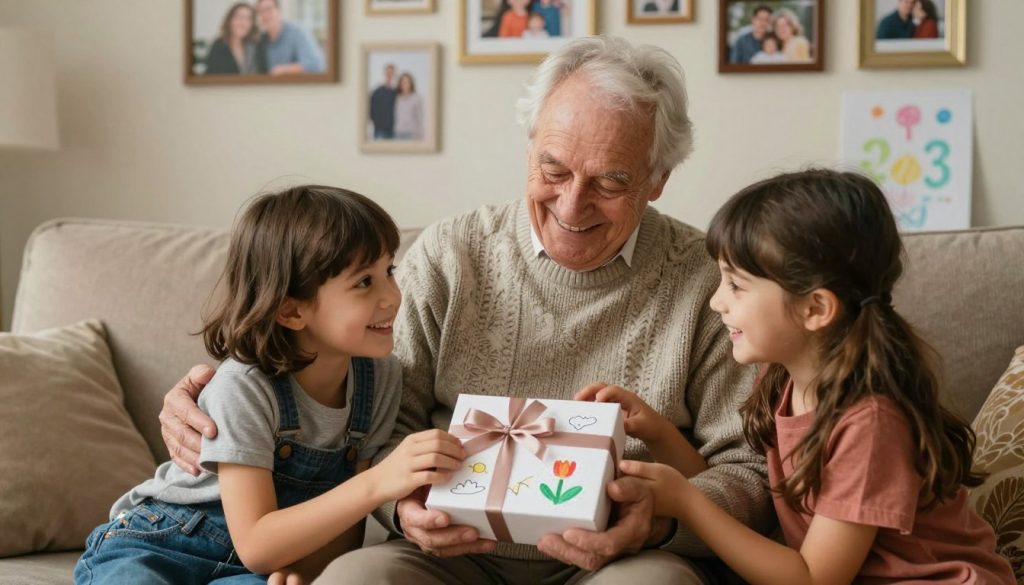
Children see named or dated items as part of themselves. The endowment effect shows why a blanket with a newborn’s name is more special than a plain one. This boosts a child’s self-worth and supports their memory formation.
How personalized items activate autobiographical memory networks
Sharing stories about a personalized item engages key brain areas. These areas help link events to self, making a custom book or toy a memory trigger. This can help recall memories after visits, moves, or big family events.
Research-backed benefits: memory, emotional regulation, and resilience
Studies show that reminiscing and memory boxes improve recall and social skills. Personalized keepsakes act as emotional anchors during stress, aiding emotional regulation and building resilience. Simple routines around a gift—like telling its story or adding photos—boost memory formation.
Using play-based, customized items supports raising confident children. Pairing a personalized toy with guided play helps children solve problems, express feelings, and learn to manage upset. These experiences strengthen secure attachment and foster coping skills.
How personalized gifts strengthen your bond with grandkids
Personalized gifts show you listened to the child. A gift with their name, favorite color, or hobby tells them they’re seen. This deepens the bond by building trust and warmth.
Why personalized gifts signal listening and care
Personal touches make a gift special. An engraved date or message reminds the child who gave it and why. These cues create lasting emotional bonds and strengthen your relationship over time.
Ways keepsakes support intergenerational bonding and family traditions
Keepsakes hold family stories and rituals. Photo journals, storytelling, or memory boxes pass down traditions. They keep holiday rituals and seasonal observances alive, linking past and present.
Practical examples: embroidered blankets, custom storybooks, memory boxes
Embroidered blankets are great for babies. A stitched name and birthdate become a comforting object. Custom storybooks teach preschoolers about family identity. Memory boxes for older kids hold drawings, voice notes, and toys, preserving special moments.
| Gift Type | Best Age | How it helps the relationship | Quick idea |
|---|---|---|---|
| Embroidered blanket | Infants to toddlers | Provides comfort; links sleep routines to you | Stitch name and birthdate |
| Custom storybook | Preschool to early elementary | Builds family identity; sparks conversation | Include family member illustrations |
| Memory box | School-age children | Creates a shared archive for stories and photos | Add drawings, ticket stubs, voice recordings |
| Engraved keepsake | Tweens and teens | Marks milestones; reinforces emotional memory | Engrave a short message and date |
Start simple intergenerational bonding activities with these ideas. Small rituals around the gift, like reading or recording memories, make objects special. These acts enrich your relationship over the years.
Choosing age-appropriate personalized gifts that create lasting memories
Choose gifts that fit the child’s age to make memories last. Personalized gifts help you bond with your grandkids. They also encourage fun, screen-free activities and creative play.
Babies and toddlers
For babies, pick safe, sensory gifts with their name. Things like embroidered blankets and personalized plush toys are great. They offer comfort and help with early bonding.
Photo props and teething rings with names or dates are also good. They help document growth and encourage bonding through simple routines.
Preschool and elementary
For preschool and early elementary kids, choose gifts that spark imagination. Custom storybooks and labeled memory boxes are perfect. They encourage storytelling and help kids feel like they own the story.
Personalized art kits and photo journaling supplies are great for screen-free fun. They offer creative activities to enjoy together during visits.
Tweens and teens
Tweens and teens need gifts that affirm their identity. Engraved journals and custom wall art are great. They support self-expression and personal growth.
Practical gifts like personalized phone cases are also good. They offer a way to show off their style. Experiential gifts tied to family traditions are best for this age group. They respect their growing independence and build emotional bonds.
Let kids help choose their gifts. This makes them feel more involved and attached. It turns a simple gift into a special project, creating more time together.
| Age Group | Type of Gift | Developmental Benefit | Way to Use Together |
|---|---|---|---|
| Babies & Toddlers | Embroidered blankets, soft name books, plush toys | Sensory comfort, name recognition, early identity | Daily cuddle routines, milestone photos, naming games |
| Preschool & Elementary | Custom storybooks, personalized art kits, memory boxes | Language skills, imaginative play, autobiographical memory | Read-aloud sessions, joint art projects, scrapbooking |
| Tweens & Teens | Engraved journals, custom wall art, personalized tech accessories | Self-expression, autonomy, lasting identity cues | Creative collaborations, memory interviews, tradition-based outings |
How to use personalized gifts as tools for teaching and play
Personalized keepsakes can turn everyday moments into learning experiences. A storybook with a child’s name or a family photo puzzle can spark curiosity. These items make learning fun and help with vocabulary.
Learning through play with grandchildren is most effective when you let them lead. Encourage them to solve puzzles, name characters, or count on game boards. This approach makes learning enjoyable and helps them remember new things.
Custom gifts are great for teaching life skills without stress. An engraved chore chart makes chores special. A personalized recipe book teaches cooking while you do it together. These tools connect lessons to family stories, making them memorable.
When teaching life skills, choose keepsakes that encourage practice. Small, repetitive tasks are best. Tools like labeled storage or a gardening kit help build confidence.
Quiet moments are perfect for teaching emotional skills. A plush toy with a recorded message can soothe a child. A calm-down jar helps with breathing and focus. These activities help manage tough emotions.
Integrate calm activities for grandkids and mindfulness into daily routines. Read a personalized prompt card before bed or play a guided breathing recording. These practices teach self-regulation and comfort.
Combine practical play with reflective activities to enhance social skills. Ask open-ended questions about a photo album. Encourage detailed storytelling to strengthen memory and understanding.
Personalized gifts are also great for mindfulness activities for children. Create cards with simple prompts like “pause” or “breathe.” Use them during transitions or after conflicts. This helps children learn to self-soothe.
Keep activities short and fun. Brief sessions of guided play or a single recipe step keep kids engaged. Over time, these experiences strengthen memory and emotional connection.
Practical tips for creating memory-rich personalized gift experiences
Make each gift special by adding simple rituals and clear labels. Include a note explaining why you chose it. This helps make the gift more meaningful.
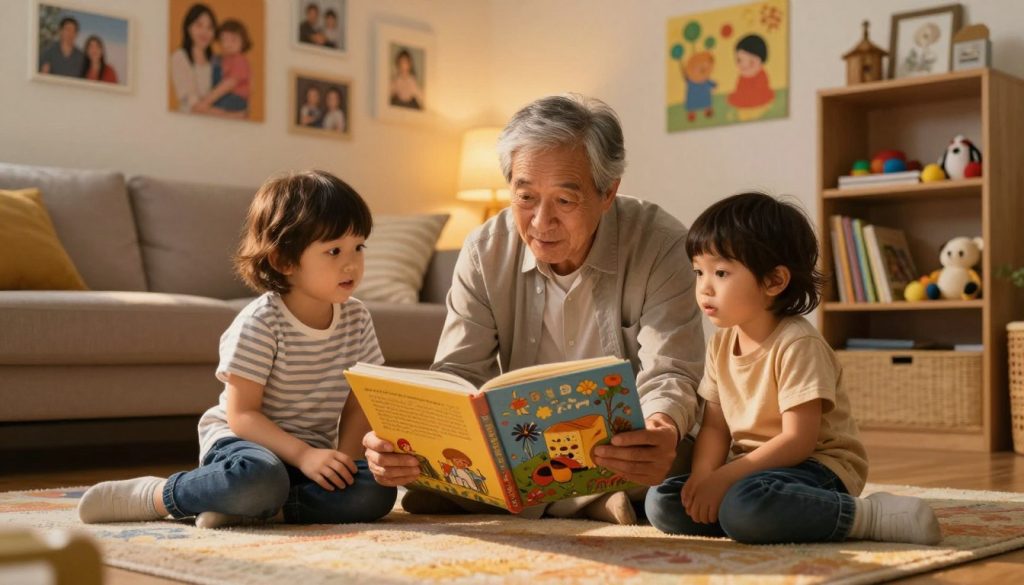
Include storytelling, photo journaling, or voice notes with the gift
Record a voice note on your phone with a story or memory. Attach the audio file to a USB or create a QR code for it.
Pair the gift with photo captions and dated sentences. Use photo journaling to add context. This helps children remember events later.
Set up a memory box or digital archive to preserve the gift’s story
Create a labeled memory box for your grandkids. Include notes, drawings, and small keepsakes. Add the gift, its voice note, and a printed photo with a caption.
For digital storage, organize folders by year or child name. Use cloud storage and an external drive for safety. Name files with prompts for future recall.
Timing, presentation, and follow-up activities to deepen emotional impact
Choose special moments like birthdays or family dinners to give gifts. Present them quietly and read the story aloud.
Make opening gifts a special ritual. Follow up by revisiting the gift or using it in a game. These actions strengthen bonds and memories.
- Label photos and projects with dates and a one-line memory.
- Keep consistent storage so preservation becomes a habit.
- Order personalized pieces with at least a week of lead time to avoid rush errors.
Safety, quality, and longevity: making gifts that last across generations
When planning a keepsake, think about its future. Choose materials and makers that keep the item safe. This way, the object and its memories can last for years.
Choosing durable materials and reputable makers
For baby items, pick non-toxic, washable fabrics. This makes cleaning safe. For books and certificates, use acid-free paper and inks to prevent fading.
Look for well-known brands or Etsy shops with good reputations. They offer quality gifts that can be passed down.
How to label, date, and document context for future recall
Write the child’s name, date, and occasion on each item. For photos and projects, include age, grade, location, and a brief memory. This helps connect the item to the time it was made.
Preservation tips for physical and digital keepsakes
Keep textiles in breathable containers, away from sunlight. Use archival boxes for paper and fix items instead of throwing them away. For digital items, organize them by year or theme and add metadata.
Back up digital files every month to the cloud and an external drive. Convert files to formats like MP3 and MP4 so they can be played on any device. These steps help keep memories safe.
Remember to keep gifts safe for kids. Avoid small parts for babies and follow safety guidelines. Also, check privacy policies before sharing photos or recordings online.
By choosing safe items, labeling them well, and preserving them, you create lasting traditions. These efforts make gifts meaningful for generations to come.
Conclusion
Personalized gifts are a great way to bond with grandkids. They add emotional value, show identity, and support memories in a simple way. When you pick items that fit their age and share a story or voice note, they become special keepsakes.
To make lasting memories, choose quality, safe, and clearly labeled items. A sturdy blanket, a custom storybook, or a labeled box with photos is perfect. These steps turn daily moments into lasting legacies for your grandkids.
Studies in neuroscience and psychology show that sharing memories helps with emotional health and resilience. Market research also finds that personalized gifts are cherished more. Thoughtful, documented gifts strengthen your bond and leave a lasting legacy for your grandkids.
FAQ
Why do personalized gifts create lasting memories for children?
What counts as a personalized gift for kids and which types are common?
How does personalization turn an object into a keepsake?
How do personalized gifts support a child’s identity and emotional security?
What psychological effects underpin why personalized items feel special?
What memory and emotional benefits does research link to personalized keepsakes?
How do personalized gifts strengthen your bond with your grandkids?
What are practical examples of personalized keepsakes that work across generations?
What personalized gifts are best for babies and toddlers?
What should you choose for preschool and elementary-aged grandchildren?
What personalized gifts suit tweens and teens?
How can personalized items be used for teaching and play?
How do you incorporate mindfulness and calm activities into personalized gifts?
Should you include storytelling, photo journaling, or voice notes with the gift?
How do you set up a memory box or digital archive for grandchildren?
When is the best time to present a personalized gift and how should you present it?
How far in advance should you order personalized items?
What should you look for in terms of safety and quality?
How should you label, date, and document context for future recall?
What are best practices for preserving physical and digital keepsakes?
Are personalized gifts appropriate for neurodiverse children?
Can personalized gifts become family traditions or heirlooms?
What practical steps can I take today to create a memory-rich personalized gift?
This post contains affiliate links. If you click on a link and make a purchase, I may earn a small commission — at no extra cost to you. Thank you for supporting this blog and helping me keep the patterns free! Read the full Affiliate Disclosure & Transparency.